

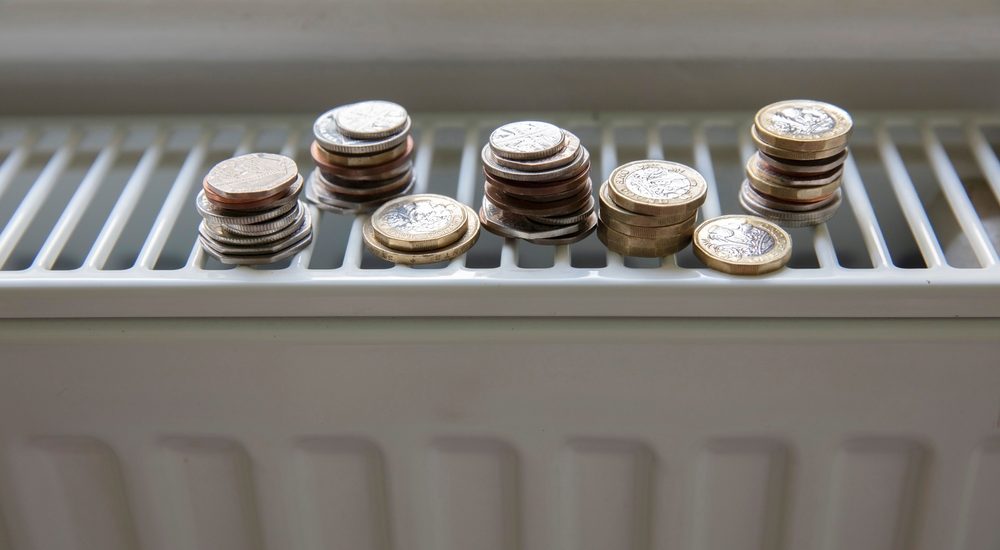
- New polling by National Energy Action indicates that 85% overwhelmingly support providing energy efficiency measures for low-income homeowners
Contact: Anna Cook, Head of Communications (anna.cook@nea.org.uk) Mobile: 07884 371913
Today the Government releases its official Fuel Poverty Statistics for England showing 3.26 million households are in fuel poverty. It shows that the Government has overwhelmingly failed to meet its interim target of getting fuel poor homes to EPC E by 2020, ahead of its statutory target for all fuel poor homes to EPC C by 2030.
Fuel poverty charity National Energy Action (NEA), previously warned that the Government would miss this target by 150 years on current progress and, based on today’s new figures, we estimate it will now take 300 years to catch up.
But this only tells part of the story, says National Energy Action. The data has a one-year time lag. Last February, the average annual energy bill was £1,271 and now it is £2,500 but set to rise to an annual average of £3,000 from April.
Chief executive of National Energy Action, Adam Scorer, says: ‘Over 3.2 million households in England are in fuel poverty according to Government data released today but the worst of the energy crisis is not represented – people being forced to self-disconnect, struggling with ice on the inside of their windows and living with damp and cold. And the situation will not get better. From April the average annual bill will rise from £2,500 to £3,000 and that means without Government intervention – both for energy efficiency measures and financial support with bills – the number in fuel poverty will continue to rise.’
New survey reveals support for prioritising the most vulnerable
This comes after new polling by YouGov exclusively for National Energy Action of 2,055 adults in Great Britain shows that 85% say that they support the UK Government providing financial support to low-income homeowners. It also showed less support (58%) for the UK Government providing help to middle income homeowners. And overall opposed it (80%) for high-income homeowners.
Our polling also showed of Great British adults preferred the UK Government to prioritise the most vulnerable when it comes to providing financial support to improve the energy efficiency of their homes. This includes low-income households (32%), clinically vulnerable people (39%) and the elderly (40%).
Least efficient households currently out in the cold
While our survey shows the British public supports help for low-income households, today’s new government statistics show that 160,000 low-income homes are particularly exposed to the energy crisis. This is due to the UK Government missing the 2020 Fuel Poverty Milestone for all fuel poor homes in England to reach EPC E by the end of 2020.Those households in EPC F/G properties need to spend £1,785 more than equivalent EPC C homes to stay warm at current prices, an aggregate of £291m.
The UK Government has made some improvements over the last two years with fuel poverty schemes. For example, the introduction of the Home Upgrade Grant and increased funding for the new iteration of the Energy Company Obligation (ECO4). However, its consultation on a new scheme to start in 2023/24 called ECO+ has been deliberately constructed in a way that will help middle income households at the expense of – households, meaning that 150,000 low-income households could be missed out.
ENDS
Notes to editors
National Energy Action estimates that the UK Government will take 300 years to meet the fuel poverty target. This is based on progress towards the target between 2019 and 2021. We use this period, as the number of fuel poor households increased in 2022 because of the impacts of the energy crisis.
The new Fuel Poverty Statistics for England are here .
The consultation for the ECO+ scheme is here .
- Survey of 2,055 adults in Great Britain undertaken by YouGov 3 to 5 February 2023