

Blog: A Warm Homes Agency that delivers for fuel poor households
- 12 August 2026
Our Policy Analyst Sabrina shares her thoughts on how the Warm Homes Agency can be a success.
Share
Sitting at the heart of the government’s Warm Homes Plan, the Warm Homes Agency appears to have a broad remit, but it’s the outcomes it delivers for fuel poor households that will determine the success of this new body.
The Agency will be established through the Energy Independence Bill and will play a central role in co-ordinating the delivery of home energy upgrades. So, what does the government see as the purpose of the Warm Homes Agency? Put simply, it’s expected to do quite a lot. The Warm Homes Agency is intended to become a dedicated public body that helps households access trusted advice, funding, and high-quality home upgrades. In addition, it will also support the government’s efforts to strengthen oversight of consumer protection through a new integrated consumer protection service.
At National Energy Action, our priority is to ensure the Warm Homes Agency helps nations across the UK to meet their fuel poverty ambitions, including the new mission to take 1 million households out of fuel poverty by 2030 in England. Consequently, the Agency’s success must be judged on whether it works for fuel poor households who often face multiple and complex challenges throughout the retrofit journey and who have historically been excluded from consumer protections.
This also means the Agency should help facilitate local delivery. Despite the Warm Homes Agency being presented as a nationally structured system for advice provision and consumer protections, it can play an important role within this new administration’s wider devolution programme by helping local areas deliver. Trusted local organisations and advocates are best placed to identify fuel-poor households, provide tailored support, champion consumer protections, and connect residents to wider services that address fuel poverty alongside other challenges. Devolution and a Warm Homes Agency that works for fuel-poor households go hand in hand.
For the Agency to support meaningful progress towards achieving the fuel poverty target, local delivery and devolution are important parts of the solution, but they must sit alongside a wider set of conditions for success. The Agency should be designed to deliver the following outcomes:
The system should offer centralised information while integrating local delivery and expertise.
Delivering support effectively means recognising the vital role of trusted local organisations. These organisations understand the communities they serve and have valuable insight into local needs and challenges, and they are trusted to act as advocates. While local delivery is vital, a national framework ensures consistency and avoids fragmented information, mixed messaging and inconsistent outcomes.
The system enables vulnerable households to be proactively identified and their needs prioritised, ensuring they can access and act upon retrofit support.
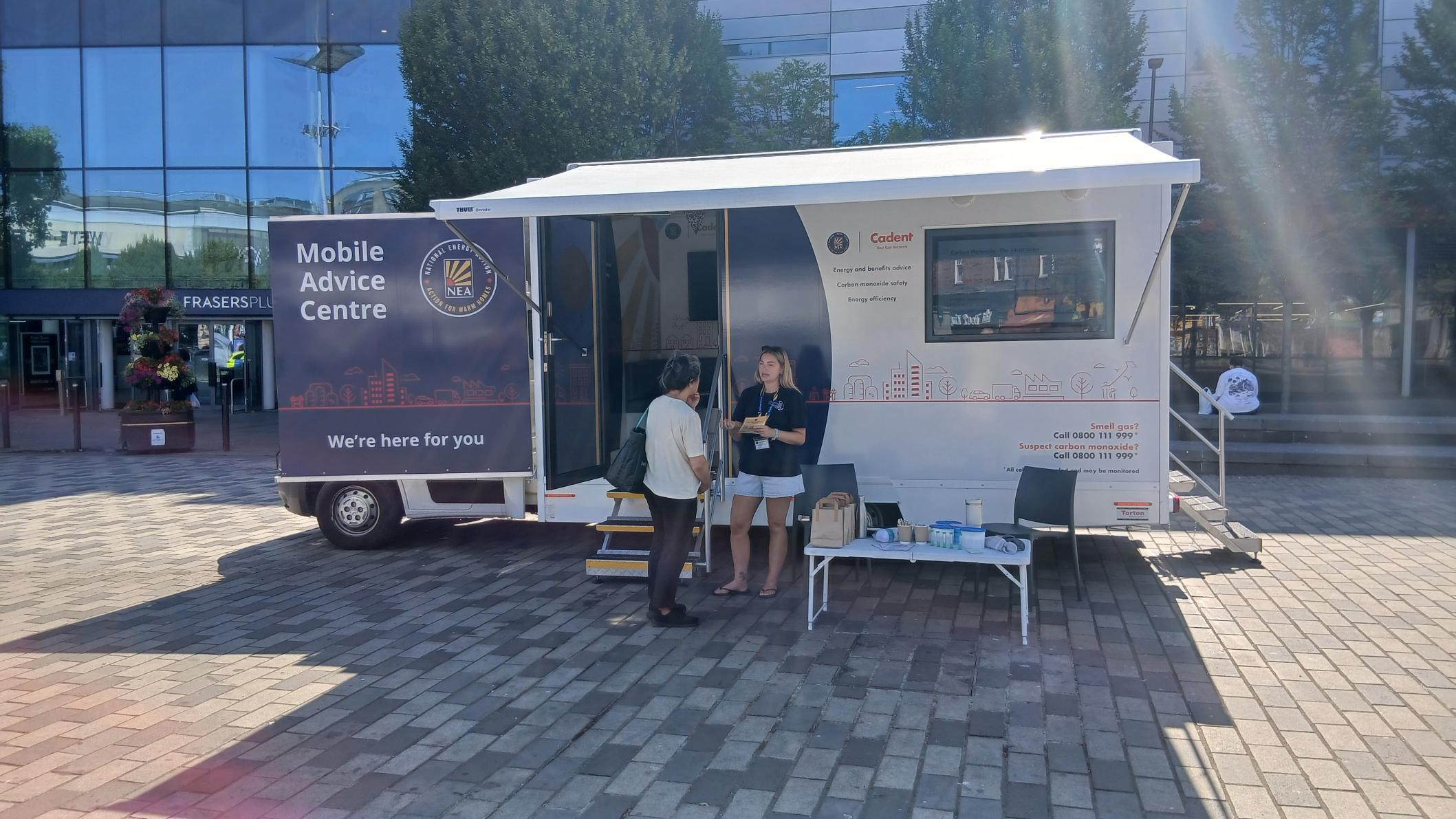
The most vulnerable households should be prioritised for support. This means spotting urgent and complex cases early, using sustained referral networks (e.g. through health networks and local community organisations) and trusted local, in-person engagement to reach the most vulnerable. By offering help in the ways people need it, whether face to face, online or over the phone, support can be more accessible and effective. When designed alongside communities, it can build trust, empower informed decision-making and create lasting impact.
The system delivers holistic, person-centred support that recognises and responds to an array of an individuals’ varying needs and experience.
Keeping fuel poverty at the heart of retrofit advice is essential. For many households, fuel poverty means making impossible choices between heating and eating, while living in cold or overheating homes that can harm health and quality of life. To ensure support is focused on people-centric outcomes rather than property, success should be measured not just by EPC ratings, but by health and fuel poverty metrics.
It’s also important for the system to reflect the reality that fuel poverty rarely exists in isolation. Households struggling with energy costs are often also facing challenges such as poor health, disability, debt or insecure housing. Local organisations can help identify households in need, build a fuller picture of their circumstances and connect them to the right support. That’s why energy advice works best when it is part of a wider network of support.
The system should ensure comprehensive, end-to-end protection for households across the retrofit process.
The system should provide households with robust consumer protections that give them the confidence knowing that they are protected throughout the retrofit journey. Strong accreditation and oversight, accessible redress, ongoing aftercare and clear accountability are all crucial to protect consumers when things go wrong. The system should also work to empower local experts, and establishing a single, coherent body is also crucial to ensure consistent quality and transparency.
Households receive high-quality, consistent advice from a skilled and capable workforce.
Households need access to trusted advice from knowledgeable, well-trained experts who can help them make informed decisions about improving their homes. That means investing in the skills, training and local capacity needed to provide high-quality support. There is already valuable expertise across the sector, so the focus should be on building on and expanding this existing network, rather than creating entirely new structures.
A major opportunity
The Warm Homes Agency offers a major opportunity to help deliver the government’s fuel poverty targets. However, its success will ultimately depend on whether it works for the households who have the potential to benefit most. It must aim to build a trusted front door for retrofit support that combines national co-ordination with the expertise that already exist within communities. Additionally, it should aim to prioritise vulnerable households and keep fuel poverty at the heart of its mission, thus ensuring that the transition to warmer, more energy-efficient homes delivers real improvements in people’s lives, not just properties.
The Agency should be underpinned by robust consumer protections, high-quality installations and trusted advice, so households can engage with confidence and fully benefit from home energy upgrades. In doing so, it can help make warmer homes a reality for everyone, not just those best placed to navigate the system.
Share
Subscribe to newsletter
Stay up-to-date with National Energy Action’s work and how we are helping those most in need.