Blog: Warm Homes, Healthy Futures: why tackling fuel poverty must be recognised as a public health priority
- 21 October 2026
Our Head of Development Danielle Butler and Senior Research and Policy Officer Joanna Curtis on the latest insights into how our Warm Homes, Healthy Futures programme has helped households in fuel poverty.
Share
For thousands of households across England, Scotland, and Wales, living in a cold home is about far more than high energy bills.
Cold, damp, and poor-quality housing can make existing health conditions worse, increase stress and anxiety, and force people to make impossible choices between heating, food and other essentials. Yet too often, people struggle to find the support they need.
This week, we’re proud to publish our Warm Homes, Healthy Futures Social Impact Report, reflecting on the first two years of delivery and the difference the programme has made to the lives of people experiencing fuel poverty. The findings demonstrate how bringing together health services, energy advice and community support can improve health, wellbeing and financial security for tens of thousands of households.
Connecting health and energy support
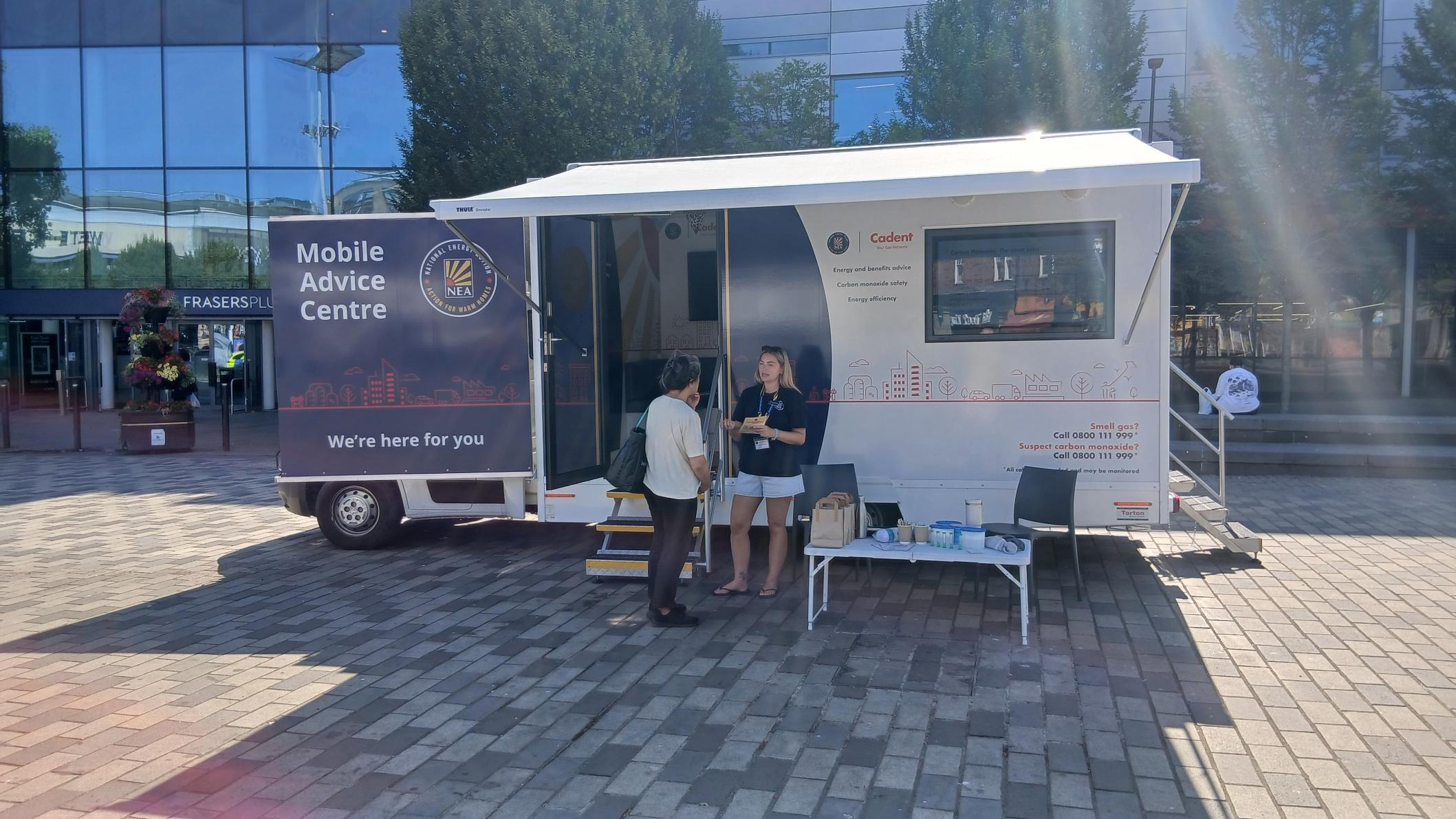
Warm Homes, Healthy Futures is led by National Energy Action and supported and funded by the UK’s Gas Distribution Networks. Together, we’ve built the UK’s largest health-connected fuel poverty network, working with local partners, community organisations, and hundreds of health and social care professionals to identify and support households most at risk.
By strengthening referral pathways between health services and specialist energy advisers, the programme helps people access practical support including:
- Energy advice and support to reduce bills
- Benefits and income maximisation guidance
- Emergency assistance, including fuel vouchers
- Essential gas appliance servicing and repairs
- Referrals to wider local support services
This approach recognises a simple but important reality: fuel poverty is both a financial and a health issue.
The reality facing many households
The people supported through Warm Homes, Healthy Futures are often managing multiple challenges at once.
Before receiving support:
- More than 82% struggled to keep their homes warm during winter
- Nearly eight in 10 said high energy costs were the reason
- Many reported rationing heating, hot water and food
- Some prepayment meter customers went without heating for days because they could not afford to top up
- More than two-thirds said they had struggled to find help elsewhere
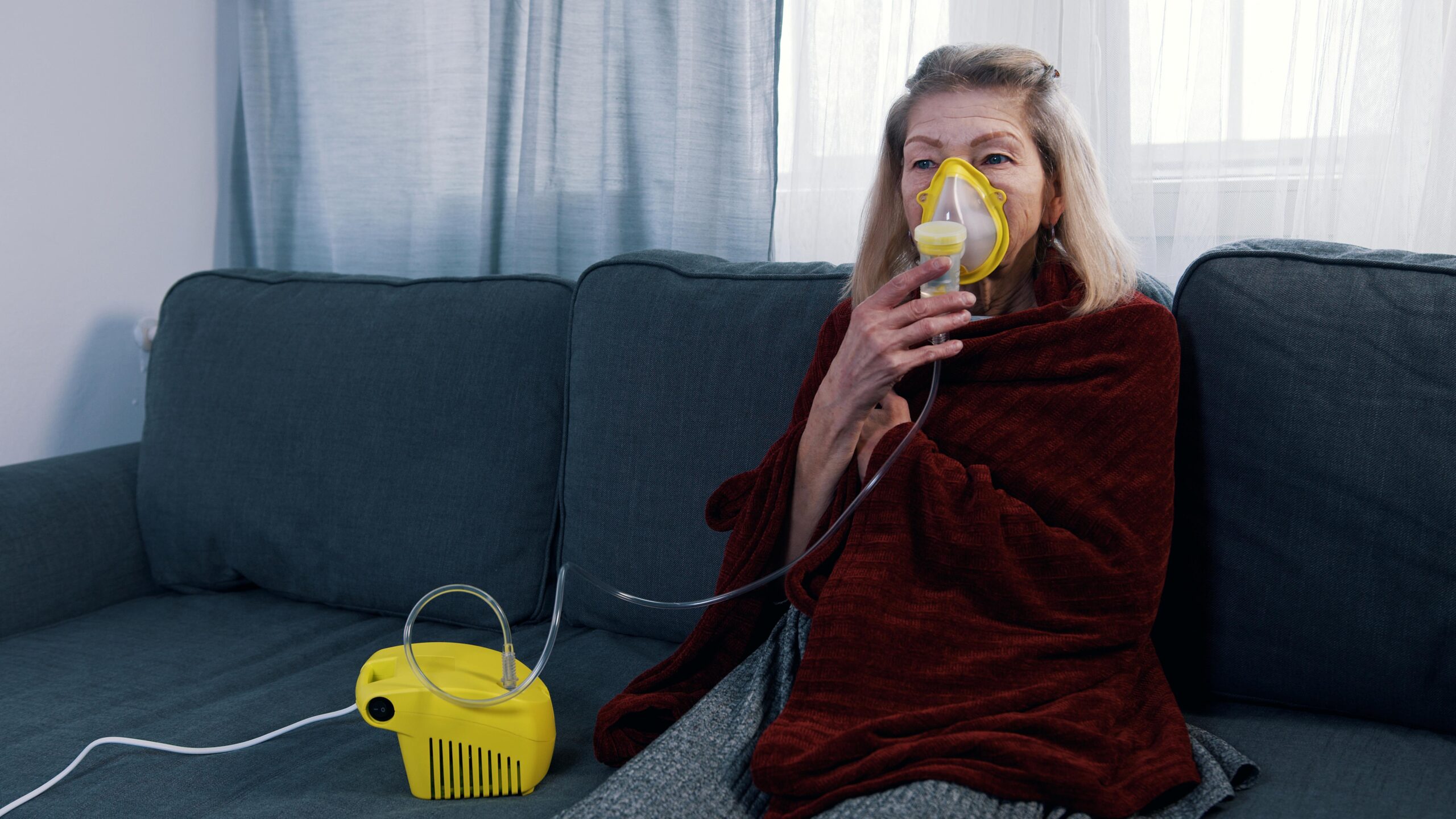
Many participants told us that living in cold homes worsened respiratory conditions, arthritis, anxiety and other long-term health problems. Others described feeling trapped between paying their bills and meeting basic household needs.
Improving lives at scale
In its first two years of delivery, Warm Homes, Healthy Futures supported more than 48,000 people and received over 7,000 referrals through health services. The programme has also secured more than £11 million in financial gains for households and engaged over 15,000 people through community outreach. Most importantly, people told us their lives had improved.
The evaluation found that:
- Fuel poverty fell by 29.3% among those supported
- Life satisfaction increased by 39.1%
- More than a quarter reported better physical health
- One third reported improved mental health
- Two thirds of those who had regularly fallen behind on energy bills no longer did so after receiving income maximisation support
Many people also reported feeling more confident managing their energy use, communicating with suppliers and keeping their homes warm without resorting to harmful coping strategies.
More than warmer homes
The report highlights that the benefits extend far beyond warmth alone. When people feel confident they can afford to heat their homes, they are often better able to manage health conditions, maintain routines, prepare hot meals and participate in family and community life. Reduced financial pressure can also ease anxiety and help people regain a sense of control over their circumstances. Participants described fewer aches and pains, reduced stress, improved respiratory symptoms and greater confidence about the future. Others said the support helped them reconnect with family and friends, return to hobbies or simply feel safer and more comfortable at home.
The value of prevention
The findings add to growing evidence that tackling fuel poverty should be recognised as preventative health work. When health and social care professionals can identify people living in cold homes and connect them with specialist support, problems can be addressed before they escalate into crisis. This benefits households and has the potential to reduce pressure on wider public services. As recently highlighted in our blog with The King’s Fund, improving health is not just about what happens within healthcare settings. Cold, damp and energy inefficient homes can be a significant driver of poor health, and supporting people to stay warm should be seen as part of the wider infrastructure that helps people remain well and reduces avoidable demand on health services.
Our Social Return on Investment analysis found that Warm Homes, Healthy Futures generated £16.55 of social value for every £1 invested, reflecting improvements in wellbeing, financial security and wider public outcomes. Additionally, the evaluation identified more than £17 million in wellbeing value*.
Looking ahead
The message from our Social Impact Report is clear: when organisations work together to address the links between cold homes, health and poverty, the impact can be transformative. The report provides compelling evidence that targeted, preventative support can help people stay warm, improve their wellbeing, and build greater resilience against future challenges.
Alongside this evidence, our experience through Warm Homes, Healthy Futures is helping to shape a Framework for Good Practice in Health-Connected Fuel Poverty Support, setting out the lessons from two years of delivery and what is needed to make this work effective across different local systems.
As the cost of living continues to put pressure on households across the UK, investing in warm homes is not simply about energy. It is about creating the foundations for better health, greater financial security and stronger communities.
* WELLBY stands for Wellbeing-Adjusted Life Year. It’s a Treasury-recognised approach that measures how much a programme improves people’s lives by looking at changes in life satisfaction. Rather than focusing only on financial savings, WELLBYs capture things that matter to people, such as reduced stress, better physical and mental health, feeling safer at home, and improved quality of life. These improvements can then be converted into a monetary value. Using this approach, Warm Homes Healthy Futures generated over £17 million of wellbeing value, demonstrating the significant impact that warmer, healthier homes can have on people’s lives and on the wider health and care system.
Read the press release: www.nea.org.uk/news-insights/whhf-oct-26/
Share
Subscribe to newsletter
Stay up-to-date with National Energy Action’s work and how we are helping those most in need.