
Plugged In
- 7 August 2023
Gypsies, Travellers, Roma, and other people who identify as belonging to a Nomadic Community (e.g., Boaters, Bargees, etc.) (GTRNC) are a consumer group regarded as overlooked, under-served by policy, and under-researched. Yet, evidence tells us these different communities experience manifold vulnerabilities and are at heightened risk of harm. This is also the case with fuel poverty – a situation in which a household cannot adequately afford or access sufficient energy for good health, comfort, and wellbeing.
Share
Gypsies, Travellers, Roma, and other people who identify as belonging to a Nomadic Community (e.g., Boaters, Bargees, etc.) (GTRNC) are a consumer group regarded as overlooked, under-served by policy, and under-researched. Yet, evidence tells us these different communities experience manifold vulnerabilities and are at heightened risk of harm. This is also the case with fuel poverty – a situation in which a household cannot adequately afford or access sufficient energy for good health, comfort, and wellbeing.
Whilst this research emphasises that GTRNCs are not a single homogenous group living and experiencing energy and related vulnerability in the same way, there are some commonalities. These can include difficulties with access to energy via less common arrangements with little-to-no choice over supplier and fuel type, discrimination, limited consumer protections, disproportionately more expensive bills, and little choice over cleaner and/or cheaper sources of energy. GTRNC households are also exposed to increased risk through use of faulty and dangerous heating and cooking systems, exposure to poor air quality and increased CO risk. Further, data on access to and take-up of vital schemes, such as the Warm Home Discount (WHD), the Energy Company Obligation (ECO), and the Priority Services Register (PSR), for example, is particularly limited.
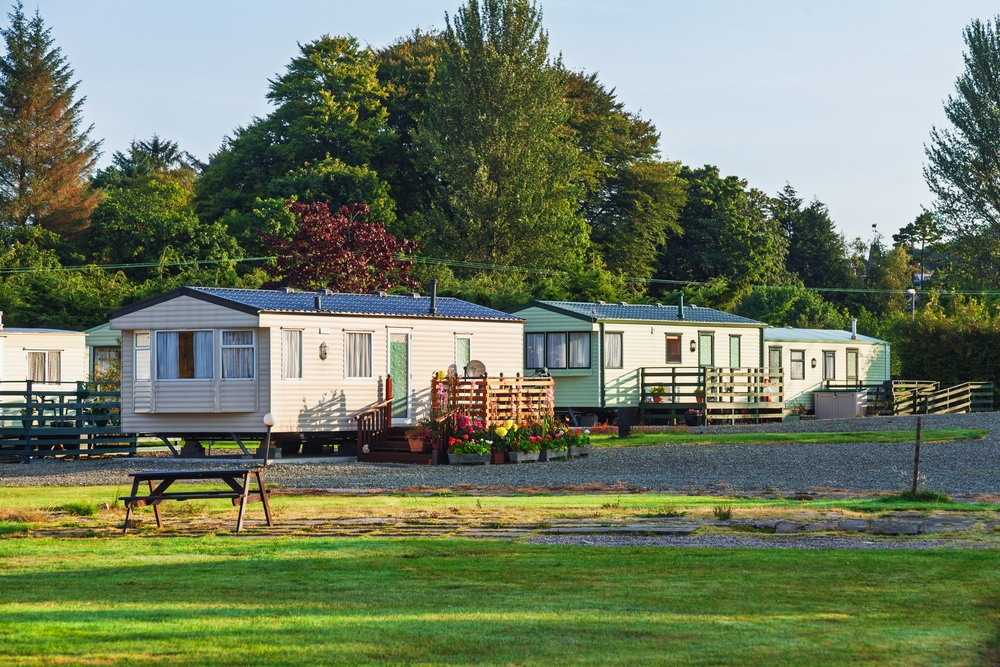
This research was undertaken during the height of the cost-of-living and energy price crises in 2022-2023. Data was, therefore, gathered before, during, and after the significant package of government support was in place. As we know, hundreds of thousands of households, with two key groups being those living in park homes and on boats, were refused or excluded from this essential support. This analysis includes some of the experiences and reflections of these households, and others, such as those living roadside and on sites.
At a time when the UK is experiencing cost-of-living and energy crises, and consumer service and protections are under scrutiny, incomes strained, and public health severely impacted, it is vital to examine how the most vulnerable and marginalised groups of consumers can be best included and supported.