
Fuel poverty programme helps 50,000 households
- 20 October 2026
National Energy Action’s Warm Homes, Healthy Futures programme has hit a new milestone of supporting 50,000 fuel poor households across England, Scotland and Wales.
Share
Contact: Nick Palmer, Press and Media Officer, nick.palmer@nea.org.uk Mobile: 07596 858719
- National Energy Action’s Warm Homes, Healthy Futures programme has reached 50,000 households
- Funded by the Vulnerability and Carbon Monoxide Allowance Fund and supported by the Gas Distribution Networks (GDNs), the programme has seen fuel poverty fall by 29.3% for those supported
- GDN investment secures programme extension to March 2028
National Energy Action’s Warm Homes, Healthy Futures programme has hit a new milestone of supporting 50,000 fuel poor households across England, Scotland and Wales.
For the 50,000 households supported by Warm Homes, Healthy Futures, the impacts have been tangible:
- The programme has seen fuel poverty fall by 29.3% for those supported, with major drops in energy rationing.
- Just over a quarter (27.9%) no longer avoided cooking hot food and just under 30% no longer cut back on the amount of hot water they used.
- Over a quarter of advice clients (28.5%) said their physical health improved, with 24.5% attributing this change directly to the support they received.
- In total, the programme helped to secure over £11 million in financial gains for clients.
A health-connected fuel poverty network
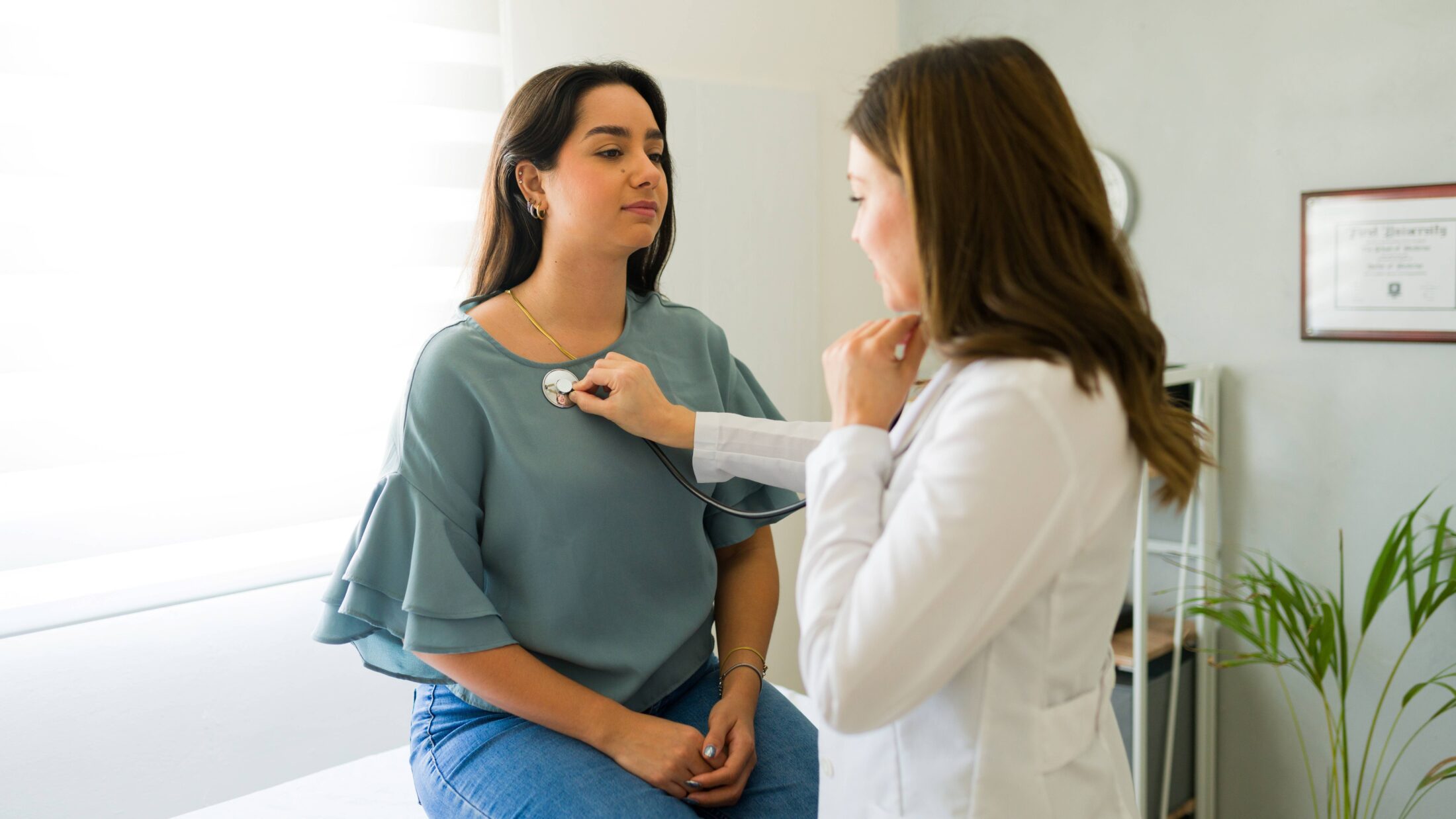
National Energy Action’s Warm Homes, Healthy Futures programme is the UK’s largest health-connected fuel poverty network, bringing together frontline professionals and local services to help people access the practical support they need to stay warm, safe and well at home.
Funded by the four Gas Distribution Networks through the Vulnerability and Carbon Monoxide Allowance, the programme operates in each GDN region: Cadent (London, North West, West Midlands, East of England, and East Midlands), Northern Gas Networks (North East, northern Cumbria, and Yorkshire), SGN (Scotland and Southern England) and Wales & West Utilities (Wales and the South West).
By being part of the network, contracted delivery partners and hundreds of health and social care professionals have been able to refer people to energy advisers. This means they can get help with income maximisation, essential gas appliance servicing, energy crisis support such as vouchers, and energy and carbon monoxide advice.
Social Return on Investment
As of the end of March 2026, use of National Energy Action’s Social Return on Investment (SROI) model indicated that the programme has so far unlocked £16.55 in total social value per £1 invested. This reflects the significant impact of the programme in helping people stay warm, safe, and healthier in their homes and in generating wider environmental, economic and public sector benefits.²
Delivery of Warm Homes, Healthy Futures initially ran between September 2024 and March 2026 and the programme has been funded for a further two years of delivery from April 2026 to March 2028.
Read National Energy Action’s Warm Homes, Healthy Futures Impact Report: www.nea.org.uk/publications/whhf-report-oct-26/
National Energy Action Head of Development Danielle Butler says, ‘Warm Homes, Healthy Futures supporting 50,000 households is a testament to the power of our referral network. Health professionals being able to refer their patients to frontline energy professionals means that cold homes – a source and aggravator of health conditions – can be made warmer and safer, resulting in a healthier home. This also promotes a prevention-based approach to health that lessens the impact on the NHS, treating fuel poverty as a public health priority. The more joined up safety nets are, the fewer people will fall through the gaps.
‘It’s heartening to see the tangible impacts of Warm Homes, Healthy Futures. People feeling better, physically and mentally. People more confident to use their heating in the winter rather than just trying to cope without. People better able to afford the basics and feeling more in control of their budgets. We’re excited to see what Warm Homes, Healthy Futures and our network partners can do next.’
Laura Ratcliffe, Northern Gas Networks’ Head of Social Strategy, said: ‘This milestone shows what can be achieved when organisations work together around a shared purpose. Warm Homes, Healthy Futures is changing lives by helping people stay warm, improve their health and access support they may never have found on their own.
‘As the lead gas network behind setting up the partnership programme, we’re proud to have brought together partners from the health, energy and community sectors to help people most at risk. Reaching 50,000 households highlights the strength of this collaboration and the difference it is making in communities. With the programme collaboratively funded for a further two years by the Gas Distribution Networks, we can build on this success, reach even more people and continue delivering support that helps create healthier, safer and more resilient communities across Great Britain.’
ENDS
Notes to editors
- National Energy Action (NEA) is the national fuel poverty charity. We’ve worked across England, Wales, and Northern Ireland for over 40 years, to ensure that everyone can afford to live in a warm, healthy home.
- National Energy Action’s and the GDNs’ SROI figures for the WHHF programme vary because GDNs use Ofgem’s GDN Rulebook criteria for consistent VCMA assessment across gas networks, while National Energy Action’s bespoke tool includes assessment of wider wellbeing benefits evidenced by beneficiaries. Both approaches offer useful perspectives and show the programme is delivering significant positive outcomes for households and wider society.
- Cadent, Northern Gas Networks, SGN and Wales and West Utilities are the Gas Distribution Networks that manage, maintain and invest in the infrastructure and pipes that safely deliver gas to more than 27 million homes and business across Great Britain.
If this story is covered online, please link to www.nea.org.uk/energy-crisis/. We are on Twitter/X: @NEA_UKCharity and Bluesky: @nea.org.uk.
If you would like to opt out of mailings from National Energy Action, please email press@nea.org.uk.
Additional partner quotes:
Cadent
Phil Burrows, Head of Customer Vulnerability and Social Impact: ‘It’s fantastic to see how this programme is supporting people living in fuel poverty. Reaching 50,000 is an outstanding achievement, and we look forward to continuing this programme and reaching the next milestone.’
SGN
Kerry Potter, Head of Social Impact and Vulnerability at SGN, said: ‘This milestone highlights the real difference that can be made when organisations work together to support people who need it most. Through strong partnerships with health, community and support organisations, we’re helping people access vital advice and assistance that can improve wellbeing, reduce financial pressures and create more resilient communities. We’re proud to play our part in connecting people with the support they need and look forward to building on this success in the years ahead.’
Wales & West Utilities
Sophie Stone, VCMA Manager at Wales & West Utilities: ‘National Energy Action’s Warm Homes, Healthy Futures programme is making a real difference, with a reduction of nearly 30% in fuel poverty among those supported.
‘For WWU, delivering for our vulnerable customers is at the heart of what we do. One of the things that makes this programme so valuable is the way it connects people with support through health referral routes. Often, those who need help most don’t know where to turn or may not seek support themselves, so having healthcare professionals and other trusted services make those connections can be life-changing.’
Share
Subscribe to newsletter
Stay up-to-date with National Energy Action’s work and how we are helping those most in need.