
National Energy Action: new prepayment meter code of practice is “much needed” but many still face “uncertainty”
- 18th April 2023
Ofgem announced a new code of practice for suppliers concerning the forced installation of prepayment meters.
Share
National Energy Action: new prepayment meter code of practice is “much needed” but many still face “uncertainty”
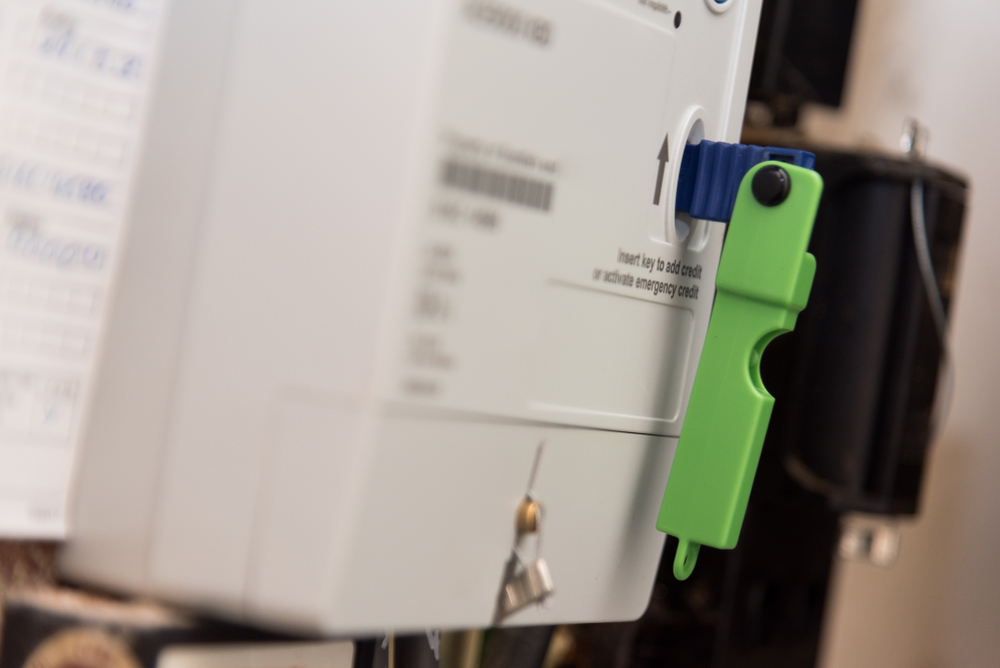
Ofgem announced a new code of practice for suppliers concerning the forced installation of prepayment meters. The code sets out how suppliers should deal with a customer who is facing an involuntary prepayment meter install.
National Energy Action chief executive Adam Scorer says: “Today’s announcement by Ofgem, protecting some customers from forced prepayment meter installations, is much needed. Energy costs have never been higher and more and more vulnerable people are struggling to pay and face cold, dark homes, as well as increased debt.
“While those over the age of 85, and some people with cold-related health conditions will welcome the new protections, many other vulnerable groups still face uncertainty, with the threat of forced installations or a remote switch to a prepayment meter still hanging over them. This should not happen if it causes them physical and mental harm. Ofgem needs to be hyper alert and actively monitor these risks. If necessary, they need to be prepared to make further changes when the new framework is reflected in licence conditions later this year.”
The code of practice introduces two categories for vulnerable households:
High Risk – Do not install
Suppliers should not install a prepayment meter if, within the household, there is no one with ability to access, operate and/or top up the meter due to physical or mental incapacity or for technical reasons. These are where:
-
- Household requires a continuous supply for health reasons, including:
-
- dependency on any powered medical equipment (such as heart/lung ventilators, dialysis equipment, stair lift, or hoist);
-
- Refrigerated medication;
-
- dependency on carelines or health and wellbeing alarms;
-
- a medical dependency on a warm home (for example due to illness such as emphysema, chronic bronchitis, or sickle cell disease).
-
- Household requires a continuous supply for health reasons, including:
-
- Households with a very elderly occupant (85+), without support in the house;
-
- Households with chronic/severe or terminal health conditions (such as cancer, cardiovascular/respiratory disease and organ failure).
Medium Risk – Further assessment required by suppliers on a case-by-case basis
Suppliers must include consideration of the below disabilities/characteristics/conditions, alongside the precautionary principle in making their assessment of safe and reasonably practicable:
-
- Age: Children under five/Elderly 75+
-
- Other serious medical/Health Conditions (such as neurological diseases (Parkinson’s, Huntingdon’s, Cerebral Palsy), respiratory conditions (COPD) and mobility limiting conditions (Osteoporosis, Muscular Dystrophy, Multiple Sclerosis)).
-
- Serious mental/developmental health conditions (such as clinical depression, Alzheimer’s, dementia, learning difficulties, Schizophrenia).
-
- Temporary situations (such as pregnancy, bereavement).
Share
Subscribe to newsletter
Stay up-to-date with National Energy Action’s work and how we are helping those most in need.