
Health data: moving fuel poverty support from crisis to prevention
- 27 August 2026
Our Policy Analyst James Mabey considers how the Energy Independence Bill can change how health data is used to result in tangible improvements for vulnerable households.
Share
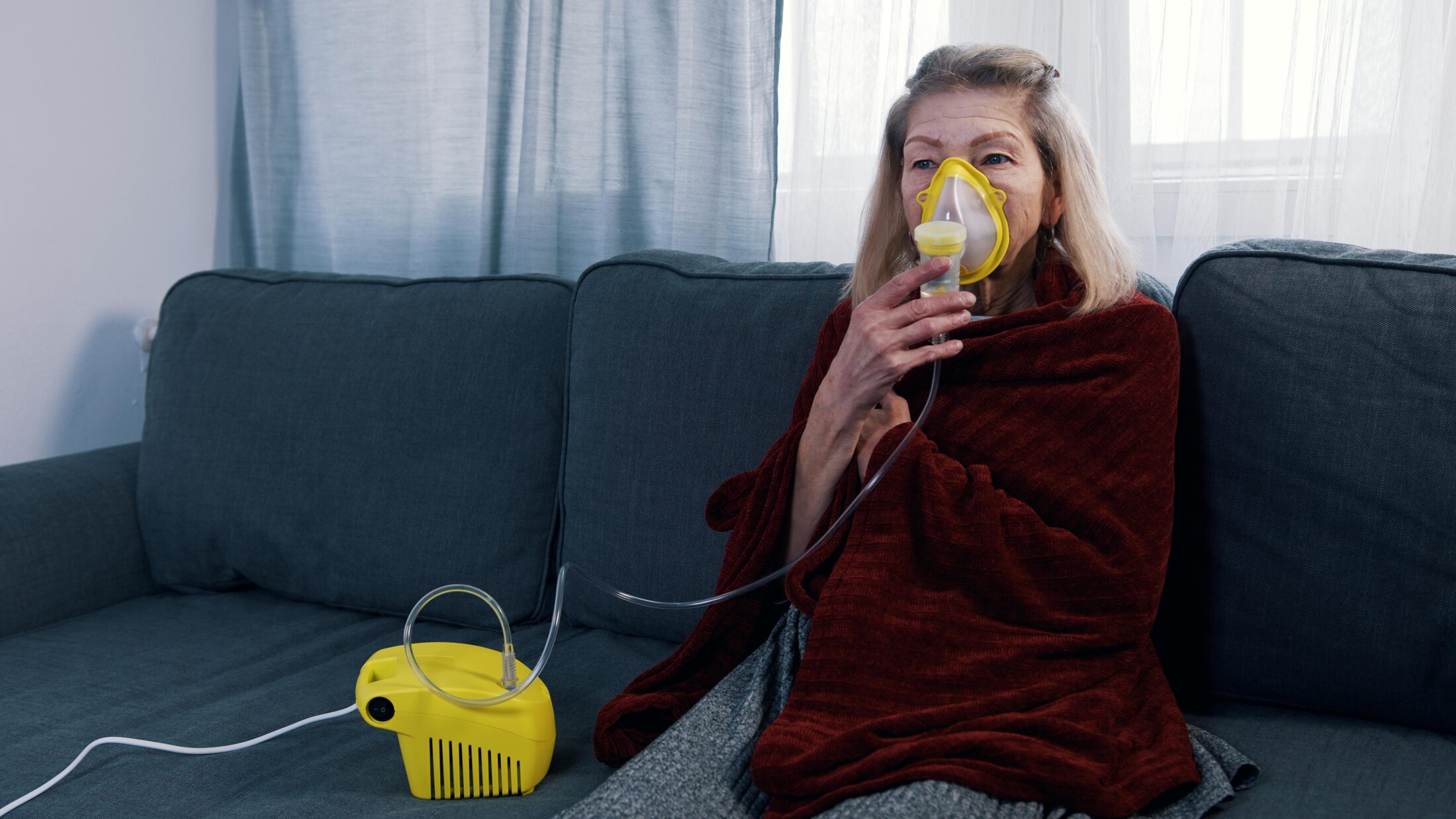
Fuel poverty is usually discussed through the language of energy bills, housing standards and household income. These are central to the issue, but they do not paint the full picture. Cold homes shape health, wellbeing and people’s ability to live safely and independently. They can worsen physical health conditions, including respiratory and cardiovascular problems, and contribute to poor mental health, anxiety and distress.
Too often, the households most exposed to those risks are only identified once their circumstances have already deteriorated. The Energy Independence Bill gives government an opportunity to change that, by improving how health data is used to identify fuel poor households most at risk from cold homes and connect them to support before hardship deepens.
This opportunity should be understood clearly. Government is already moving on income data sharing, and that work is vital in ensuring that targeted affordability support reaches low-income households more effectively. But income data alone cannot show which households face the greatest health risk from a cold home. Some people with serious health needs may be missed if eligibility is based only on income, while others may need a higher level or different form of support because cold homes pose a greater risk to their health.
The type of health data used will also matter. Primary care data may help identify risk earlier, while secondary care data may provide greater certainty only once someone has already reached a more acute point. If prevention is the aim, government will need to consider how health risks recorded earlier in the system can be used safely, without waiting until harm has already deepened.
Health data could help bridge that gap. The aim should be a shift from reactive fuel poverty policy to a more preventative approach, one that identifies risk earlier, reduces the burden on households to prove need repeatedly, and connects vulnerability to practical support before harm deepens.
The case for using health data
The Fuel Poverty Strategy for England recognises that some fuel poor households are more vulnerable to the impacts of living in a cold home, and that support should be better targeted towards households where health risks and cold homes overlap. The issue is not whether the principle is right, but whether the system has the tools to act on it.
National Energy Action’s evidence from Warm Homes, Healthy Futures, our programme bringing health, housing and energy partners together to provide locally delivered support for people affected by fuel poverty and poor health, consistently shows why this is necessary. Before receiving support through the programme, more than 80% of clients struggled to keep their homes warm. Many reported that cold homes worsened respiratory conditions, joint pain, anxiety and depression.
Our wider frontline evidence shows how this overlap plays out in practice. Health conditions, disability, caring responsibilities and poor housing can all increase the amount of energy a household needs to stay safe and well. While low income, debt, prepayment meter deductions, supplier problems or difficulty accessing support can make that energy unaffordable. In some cases, households cannot reduce usage safely; in others, they cut back anyway, leaving homes colder than their health allows. Existing support can then miss the true nature of the problem when it treats energy use as discretionary, or when it fails to recognise the higher and often unavoidable costs of living with ill health in a cold home.
These households are often identified too late. Support may come only after debt has built up, health has worsened, or a household has been passed between organisations without reaching the help they need. For people already living with illness, disability, low income or poor housing, delay narrows choices, deepens stress and increases the likelihood of crisis.
A better system would use the information already held across public services more intelligently, identifying where fuel poverty and health vulnerability overlap, and creating a route into support before harm becomes more severe.
Reducing the burden on households
Fuel poor households are too often expected to navigate complex schemes, repeat difficult personal circumstances, and prove need in different ways. For people living with poor health, disability, digital exclusion, insecure housing or low incomes, that burden can stop support being accessed at all.
Health data sharing should help reduce that burden. Where public bodies already hold information showing that a household is likely to be at increased risk from a cold home, it should be possible to use that information responsibly to simplify access to support. This principle is not unique to fuel poverty.
Trust, safeguards and local delivery
Due to its sensitivity, any use of health data must be clear, proportionate and trusted. Households need to know why information is being used, who can access it, what support it may lead to, and what protections are in place if something goes wrong.
Strong safeguards are an integral part of making delivery possible. Government should set a clear and limited purpose for any health data-sharing regime: to identify risk and offer support, not to disadvantage households or create new barriers to essential services. It should also give public services, suppliers and delivery partners confidence about what information can be shared, on what basis, and what action should follow.
A health data-sharing regime cannot depend solely on local initiative, however effective some local referral networks already are. Fuel poor households should not face very different chances of being identified and supported depending on where they live, but delivery also cannot be designed only from the centre. Local systems understand the barriers households face in practice, including local variation in housing conditions, access to services, language needs, community trust, rurality and existing referral routes.
The most effective regime would build on that local capability rather than bypass it. National government should create the conditions for health data to be used safely, consistently and confidently, while local systems shape how households are contacted, what support is offered, and how engagement routes reflect local needs, communities and existing support networks.
The catch: identification must lead to support
Identifying a household as at risk is only useful if support follows. A data match will not, on its own, repair a heating system, reduce a bill, clear damp and mould, resolve supplier problems, or make a home easier to heat.
This is especially important where households are facing severe or terminal illness. National Energy Action continues to see people in these circumstances having difficult experiences in the energy market, including where their situation is not recognised quickly enough or where standard support routes do not reflect high and unavoidable energy needs. Better data-sharing arrangements, combined with clear expectations on suppliers to treat those households with particular care, could help prevent avoidable harm.
Government should ensure that any regime created through the Bill links identification to clear support pathways, including energy advice, income maximisation, heating repairs, debt support, supplier engagement, home energy upgrades, landlord enforcement, and temporary support to help people heat their homes safely. Different households will need different combinations of help, and the process must respond to those circumstances rather than simply confirming that risk exists.
The most promising work in this area does not treat identifying health vulnerability as the end point. It uses that information to find those most at risk, then builds a route into advice, follow-up and practical support. Parliament should therefore test whether the Bill gives public services, suppliers and delivery partners the means to act, not just the ability to identify need.
A regime worth building
The test of any new health data-sharing regime should be whether it helps turn earlier identification of risk into materially better outcomes for fuel poor households. A system that becomes better at seeing need, but no better at meeting it, will not support the Government’s mission to take 1 million households out of fuel poverty by the end of the decade.
Success should be judged in people’s homes. Whether households are warmer, better able to afford safe levels of energy use, reached before crisis, and brought into support where they would otherwise have been missed.
The prize is significant. If the Bill gets this right, it could help move fuel poverty support towards a more preventative model, one that recognises the relationship between cold homes and poor health, uses data intelligently and responsibly, and connects households to support before harm deepens.
As the Bill develops, that is the question National Energy Action will keep returning to: will these arrangements help more people live in warmer, safer homes, and support material progress in reducing fuel poverty?
Share
Subscribe to newsletter
Stay up-to-date with National Energy Action’s work and how we are helping those most in need.