
From growth in every postcode to warmth in every household: will Burnham deliver for the fuel poor?
- 29 July 2026
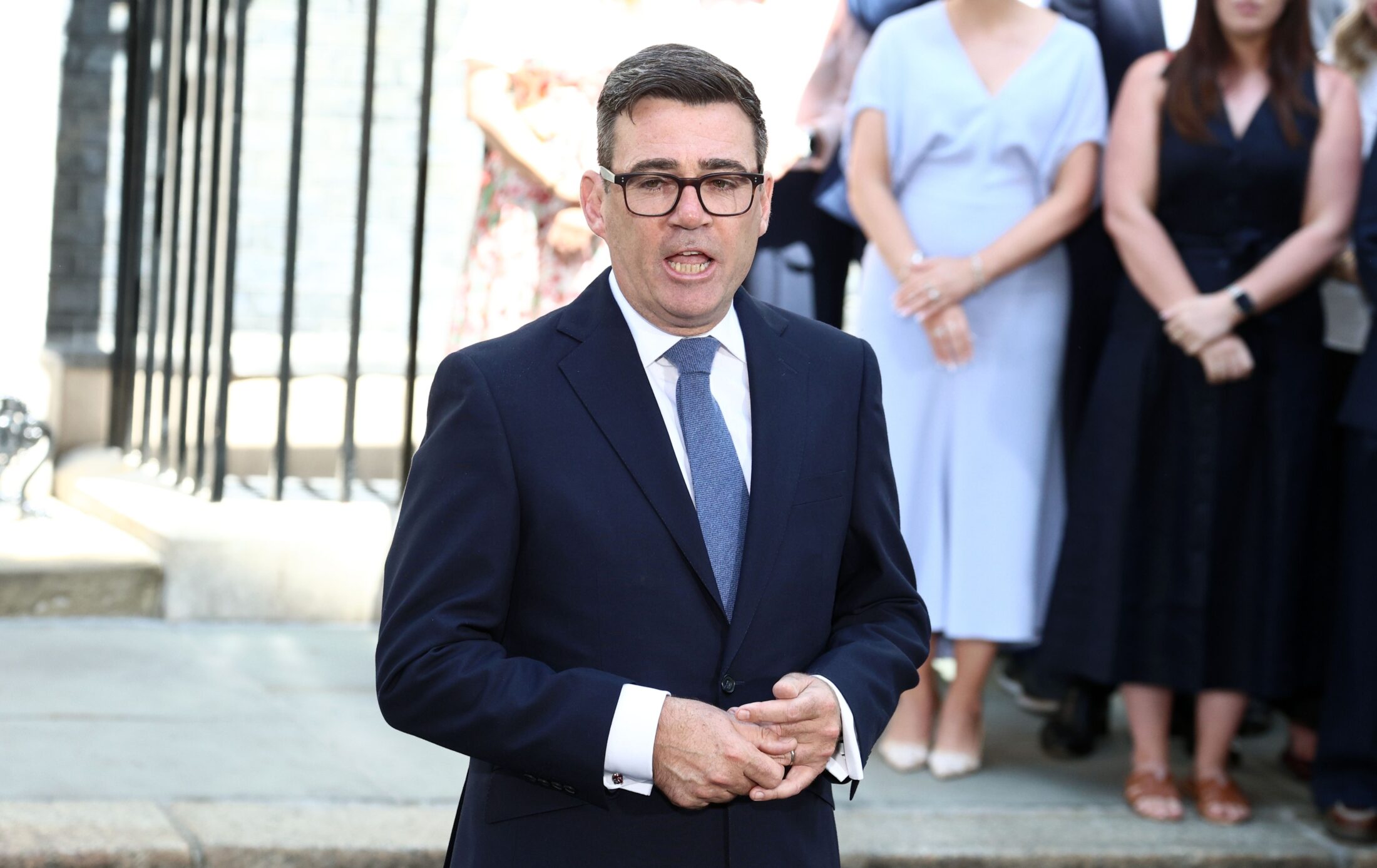
The election of Andy Burnham as Prime Minister marks more than a change in government. It represents the potential arrival of a distinct governing philosophy at the heart of Whitehall.
Share
From growth in every postcode to warmth in every household: will Burnham deliver for fuel poverty?
The election of Andy Burnham as Prime Minister marks more than a change in government. It represents the potential arrival of a distinct governing philosophy at the heart of Whitehall.
Burnham arrives in Downing Street with a reputation built not only on political success, but on a particular way of approaching public policy. In Greater Manchester, housing, health, transport and poverty were increasingly viewed not as separate challenges, but as connected problems requiring joined-up solutions.
For organisations like National Energy Action, that raises an important question. What would it mean if government started treating fuel poverty in the same way?
This will resonate with many of us who work to support fuel poor households. For years, one of the biggest barriers to progress has not been a lack of ambition, but a lack of coordination. Burnham promises growth in every postcode. The question for us now is, can it deliver warmth to every household?
A new focus on outcomes?
If there is one lesson from Greater Manchester’s approach, it is that policy should be judged by whether people live healthier, better lives. If Manchesterism means one thing for fuel poverty, it is to doggedly measure outcomes on this basis.
That matters because fuel poverty worsens physical and mental health, deepens inequality and places additional pressure on public services. Our own client data reflects this reality. During 2025-26, 73% of households supported by National Energy Action included someone with a health condition or disability, while more than half were living on less than £12,000 a year.
Burnham’s work in Manchester has increasingly recognised these connections. Through initiatives such as ‘Live Well‘, the focus has not simply been on delivering services, but on improving outcomes. That is an important lesson for fuel poverty policy.
Too often we measure success through outputs: homes insulated, boilers replaced or schemes delivered. Those things matter, but they are a means to an end. The real question is whether people are warmer, healthier and better able to thrive.
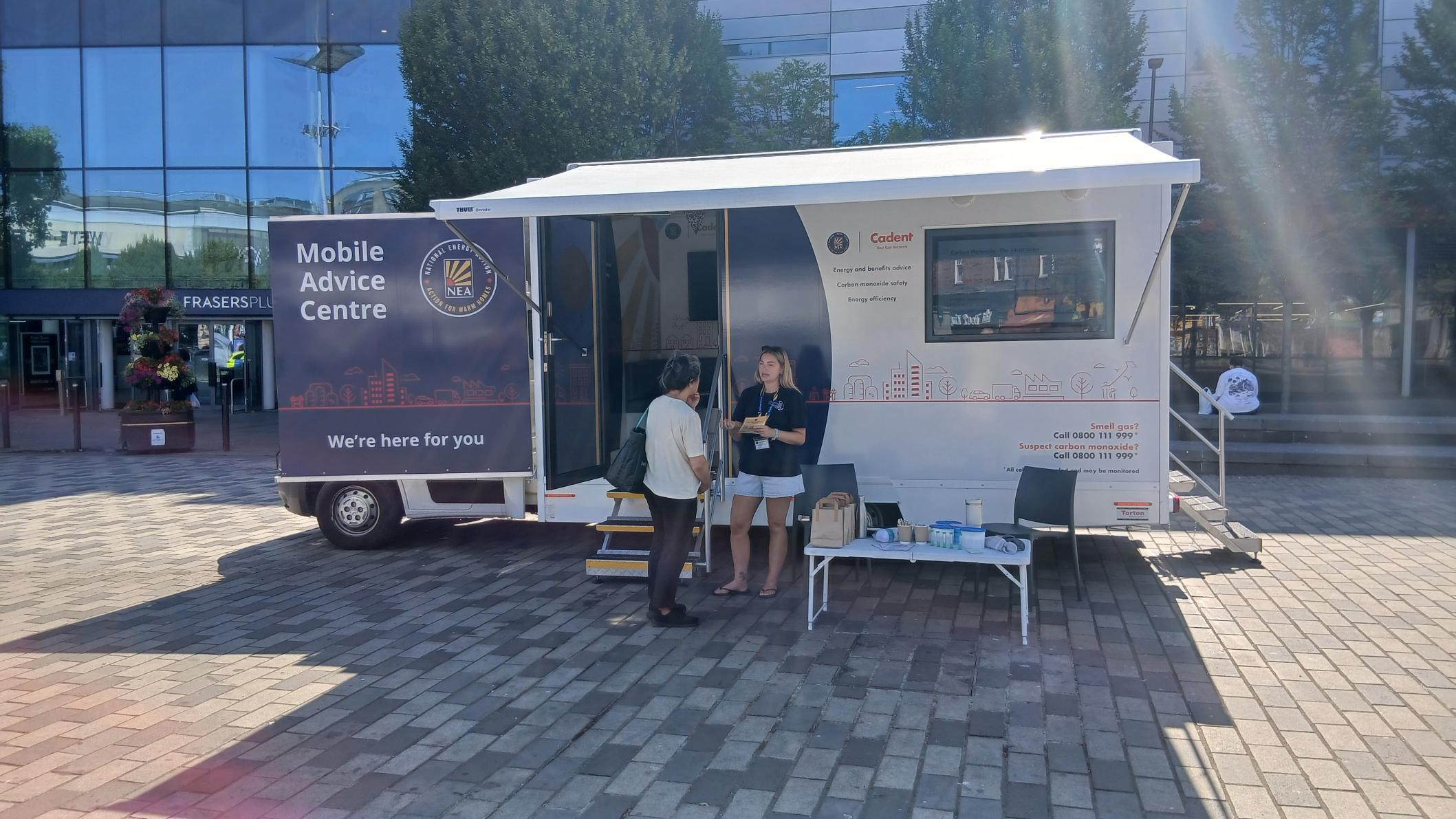
At NEA, we see this in practice through our Community Retrofit Hubs. One older resident sought help at our Burnley hub after attending a local church coffee morning. Living alone with COPD in a home heated by a back boiler installed in 1994, they were worried about keeping warm and about carbon monoxide risks. What followed was not simply a retrofit intervention. It involved housing support, disability adaptations, a replacement heating system and ongoing advice. The outcome was not just a more efficient home, but a resident who felt healthier at home.
For a sector that has often prioritised installations over outcomes, this is an important lesson.
Devolution coupled with national action
If Burnham’s early rhetoric tells us anything, it is that he wants to push power and responsibility closer to communities through greater local delivery and strengthening local decision-making powers.
For fuel poverty, the most immediate test of this approach will be the Warm Homes Plan. It is a key test, as well as a golden opportunity.
Although it is a national policy, it already contains many of the ingredients of a more devolved approach, with local authorities playing a central role in delivery.
A Burnham government may seek to go further, giving local leaders greater freedom to tailor schemes to local circumstances.
Local government is often better placed than central government to identify vulnerable households, coordinate support and connect fuel poverty programmes with health services, housing teams and wider anti-poverty initiatives. And local government would benefit from national agencies providing support to their local delivery (such as a Warm Homes Agency – but more of that in a future blog).
But, despite the importance of devolution in the fuel poverty agenda, there is an important distinction to make.
Many of the key drivers of fuel poverty will remain national. Energy prices, bill support, market regulation and energy debt are ultimately shaped by decisions taken in Westminster and Whitehall.
Burnham often expressed frustration as Mayor of Greater Manchester at the lack of levers available to tackle affordability. As Mayor, Burnham could challenge energy suppliers and campaign for change. As Prime Minister, he can now shape the policy itself.
That is crucial at a time when energy remains unaffordable for many households. One of the clearest indicators of this is the record levels of energy debt. Fuel debt is not simply the result of high energy use. Many households fall into debt because of low incomes, administrative failures and the way the energy market itself operates. For too many people, affordability is determined not only by prices, but by whether the system works fairly.
The opportunity for the new government is therefore not simply to devolve responsibility. It is to combine strong local delivery with decisive national action. Policies such as a social tariff, enhanced bill support or action on energy debt would do more to improve affordability than any change in institutional structures alone. If there is a lesson from Greater Manchester, it is not that every policy should be devolved. It is that systems work best when they are organised around people’s needs rather than institutional boundaries. Applied to fuel poverty, that means combining local insight and delivery with decisive national action on affordability.
A promising agenda for an urgent challenge
There is much for the fuel poverty community to welcome in Burnham’s approach.
The emphasis on joining up services, focusing on prevention and giving local areas greater freedom to tailor support could help tackle some of the barriers that have long prevented housing, health and energy policy from working effectively together.
There is also an opportunity to make real progress on affordability. Burnham has already signalled his intent through measures such as cutting VAT on electricity bills, but much more will be required if fuel poor households are to see meaningful improvements in their circumstances.
However, we must also be aware of the risks.
Much of the rhetoric surrounding Burnham’s agenda focuses on long-term reform of institutions and how government works. Those reforms may ultimately benefit fuel poor households, but the reality of fuel poverty demands urgency.
We need lower bills this winter. We need action on energy debt. We need the Warm Homes Plan to begin delivering at pace. For many households, these are not policy debates. They are questions of health and wellbeing. We cannot wait.
The urgency is obvious in the experiences of households we support. One mother told us: “My child is going to be freezing.” Another described spending evenings confined to an upstairs room to reduce heating costs: “I was just monitoring when the heating was going on… staying upstairs after dinner.” These are not the experiences of people waiting patiently for institutional reform. They are making daily decisions right now about whether they can afford warmth.
New powers, new structures and new forms of local control matter only if they improve people’s lives. Success should be judged by the outcomes they deliver, not their existence.
Burnham’s ambition is growth in every postcode. That is a compelling goal. But for the millions of households living in fuel poverty, an equally important ambition is warmth in every household.
Ultimately, people will judge this government not by the structures it creates, but by whether their homes are warmer, their bills are more affordable and their lives are healthier.
The opportunity now is to take the best elements of Greater Manchester’s approach: integration, prevention, local leadership and a relentless focus on outcomes, and apply them nationally without losing sight of the people those systems are designed to serve.
The challenge for us is clear. The question is not whether Burnham’s governing philosophy reaches Westminster. It is whether the parent worried their child will be freezing, the family living with chronic illness, and the household trapped by unaffordable energy bills are better off because of it.
As the new administration moves forward, here are three key tests to keep in mind when measuring success in the fuel poverty space.
Urgency. Are households seeing real improvements now?
People as well as place. Manchesterism has, rightly, put local pride and identity back at the centre of politics, but the test is not whether places are regenerated. It is whether the people can enjoy them. Accessing warmth at home is a basic pre-requisite of that.
Warmth. Growth in every postcode has been the goal. Warmth in every postcode, and in every home, must be an ambition that sits alongside it. If energy costs remain unaffordable, no amount of institutional reform will have delivered for the households who need it most.
If these conditions are met the promise of this new approach to government will have succeeded where it matters most.
Share
Subscribe to newsletter
Stay up-to-date with National Energy Action’s work and how we are helping those most in need.