
Blog: Embedding child-centred support in communities and everyday settings
- 15 September 2026
Our Education Officer Dean West explains why we’ve been delivering support for children and parents in everyday settings in order to build knowledge, trust and to normalise getting support.
Share
At National Energy Action, we have been running our ‘End Child Fuel Poverty’ campaign for the last year. While raising the profile of the issue and influencing policy remain essential, what distinguishes this work is its focus on embedding practical action into everyday services, designing new approaches that have children and families at their heart, and building a movement across sectors.
Meeting families where they are
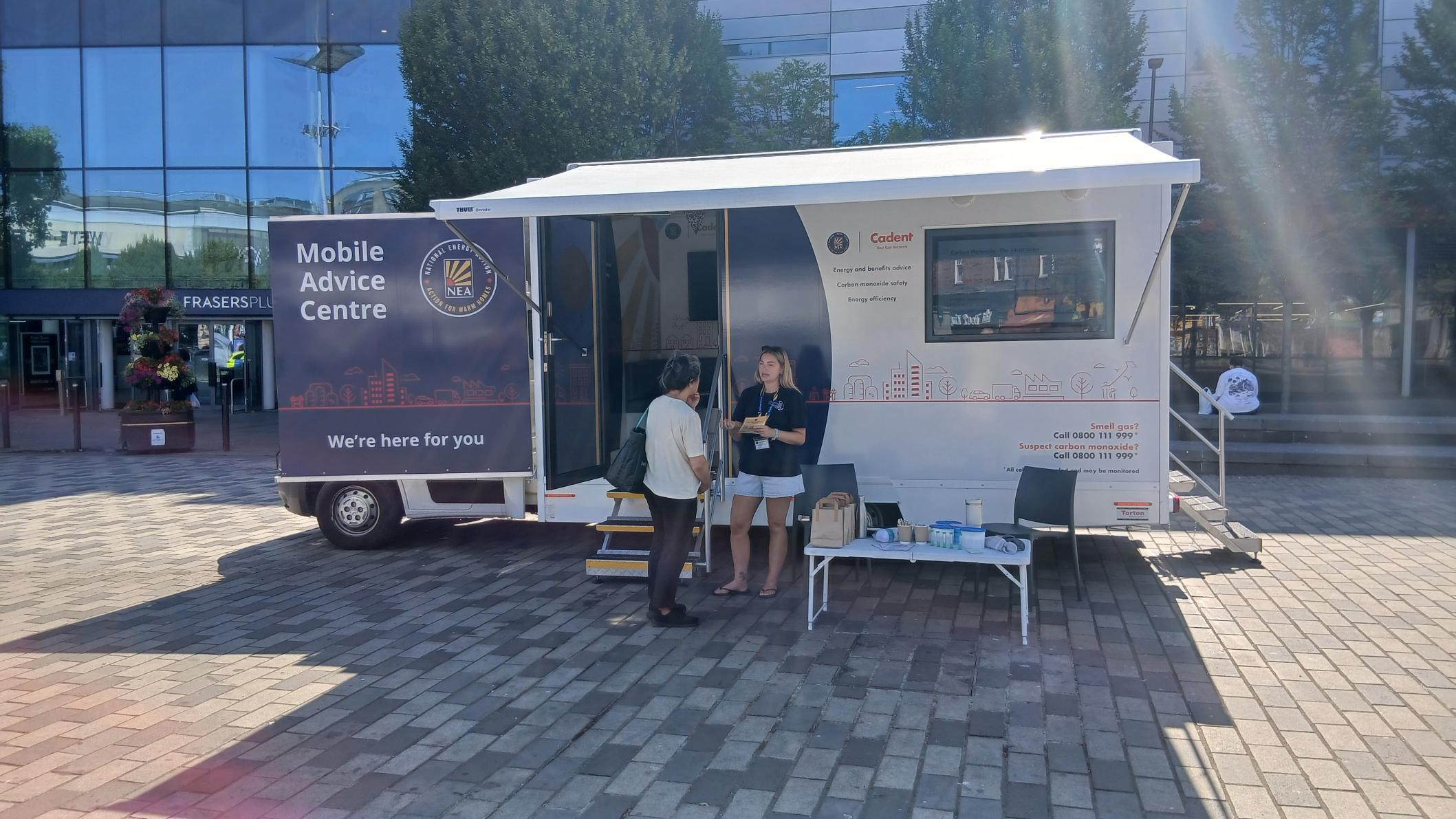
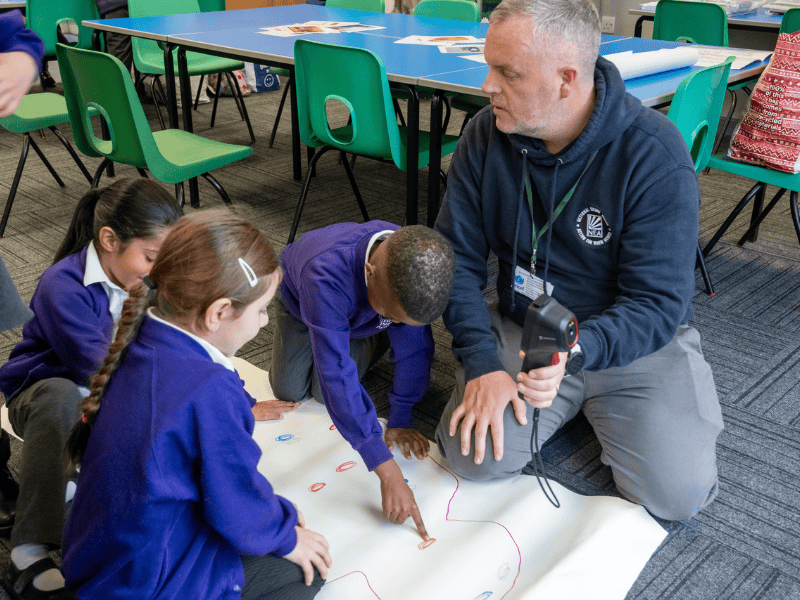
In regions such as the East Midlands and beyond, we are increasingly meeting families where they already are: in schools, community spaces, and trusted services. Our local school partnership has delivered KS2 educational workshops, equipping children with essential life skills around energy and healthy homes at an early age. Teaching students about key issues such as decarbonisation and energy-saving measures has been useful in providing tips to help influence their futures. Our package of education resources is developed and delivered in schools, colleges and universities by experienced teachers, covering a wide range of topics and using a variety of learning techniques. All activities are mapped against the requirements of the National Curriculum and demonstrate progression across the key stages.
I love my role as Education and Training Officer because I’m able to work with learners across different key stages. They are very much in tune with the need to be more energy efficient and sustainable and to support the move to decarbonise the network. There is a real passion about promoting positive energy related behaviours, and the children are keen to share their knowledge more widely within their community. It is fantastic to hear feedback directly from students such as, ‘I’m going to make sure my family all do their bit for the environment and help save energy’ or ‘I enjoyed learning about how much each item cost. I can’t wait to go and talk to my parents about this and get them to turn the TV off standby’.
Teachers are key
Teachers spend so much quality time with their students that they can be the first to spot an issue at home. That’s why we’ve launched ‘Fuel Poverty Aware Schools’ to work with educators to train students and staff about fuel poverty and how National Energy Action can provide support to low-income families. We’ve already worked with Queensmead School in Leicester. Their headteacher Liz Latham said becoming a Fuel Poverty Aware School is ‘hitting so many things both in terms of the curriculum and sustainability in terms of the communities that you serve, it’s an absolute no brainer. You couldn’t want for a better organisation to come in and help you with what you’re doing’.
This work extends beyond the classroom, with parent engagement through community hubs, including advice coffee mornings and planned drop-in sessions, ensuring families can access tailored, practical support. While we deliver our education sessions to all students, we’re able to work with teachers and educators at the school who encourage parents who may need the additional support to come along and meet us.
Making the most of local partnerships
National Energy Action has also been working on our outreach via trusted local partners, which is helping to build confidence and trust, connecting families to energy and benefits advice they might not otherwise seek. Anecdotally, we know that many parents will make huge sacrifices for their children and suffer in secret due to the stigma of being on a low income or in fuel poverty.
Our End Child Fuel Poverty campaign reflects a core principle: normalising help-seeking and embedding support into trusted spaces, rather than expecting families to navigate complex systems alone.
At the same time, insight from regional partners ensures that lived experience directly informs delivery and campaign priorities.
This approach maximises social value. If you would like to talk about how we can support schools and families in your local community, please contact michala.sullivan@nea.org.uk.
Share
Subscribe to newsletter
Stay up-to-date with National Energy Action’s work and how we are helping those most in need.