
Blog – Beyond retrofit: helping households benefit from the energy transition
- 14 July 2026
Our Project Development Co-ordinator Sophie Burr shares her thoughts on how installing measures is only part of the journey in helping low-income clients benefit from retrofit.
Share
When we talk about tackling fuel poverty, the conversation often focuses on improving the energy efficiency of homes through insulation, heating upgrades and renewable technologies. These measures remain vital, helping households stay warm and healthy while reducing energy costs.
However, through National Energy Action’s work supporting households through the transition to low-carbon heating and renewable technologies, we are increasingly seeing that installing new measures is only part of the solution.
As homes become more electrified, residents are also being asked to navigate a growing range of energy tariffs, export payment schemes and new ways of managing their energy use. While technologies such as heat pumps and solar panels can help reduce bills, many households need support to understand how to use them effectively and access the available financial benefits.
Without the right advice and guidance, residents risk missing out on savings, income opportunities and the full value of the improvements made to their homes.
Supporting residents through electrification
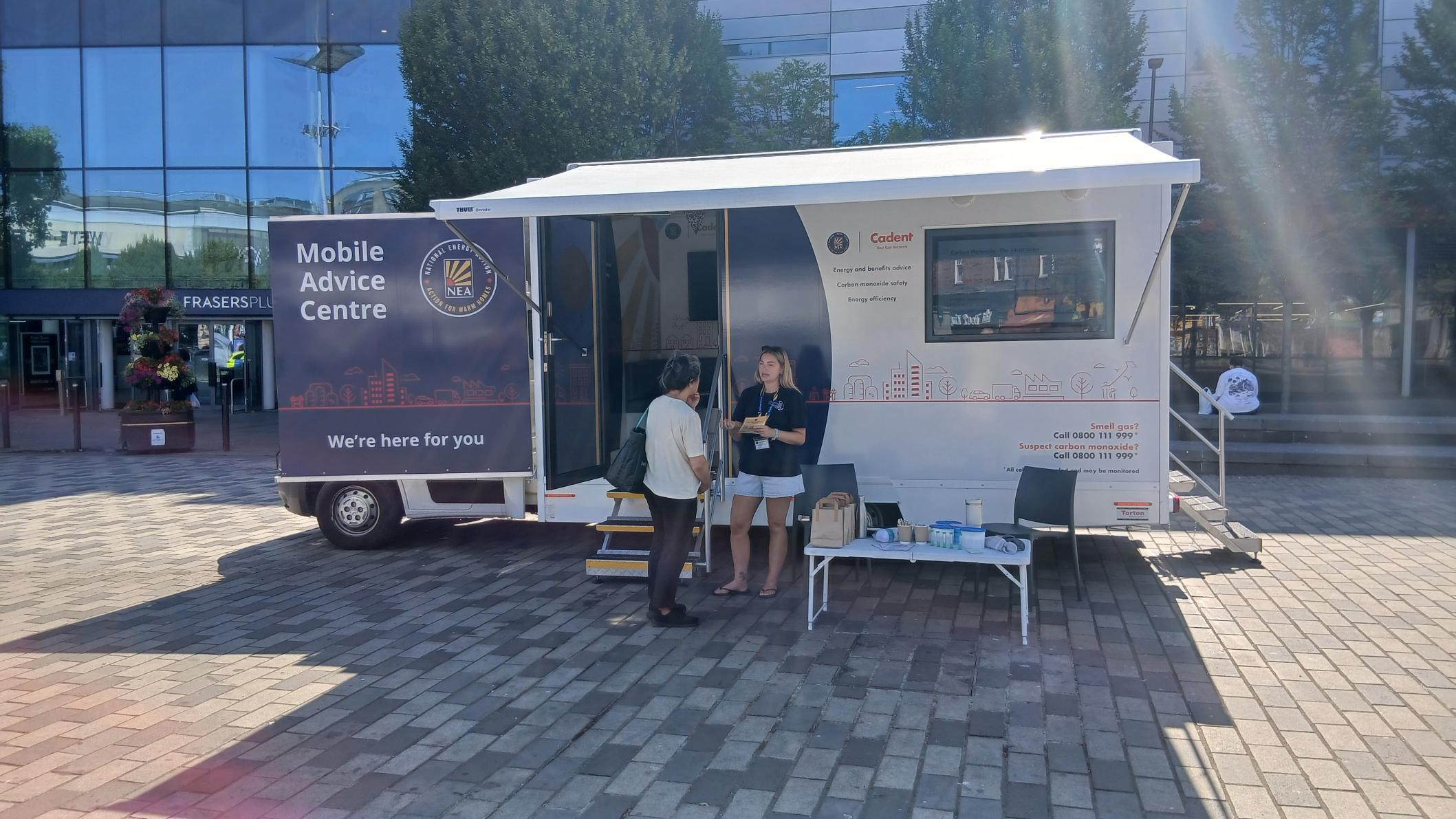
Through our partnership with Cambridge City Council, we are working with residents living in homes that have undergone significant energy efficiency and electrification improvements.
Many households have received air-source heat pumps, solar PV, Mechanical Ventilation with Heat Recovery (MVHR) systems and Myenergi Eddi solar power diverters. While these technologies can improve comfort and reduce carbon emissions, they can also create new challenges for residents unfamiliar with how they operate.
Our one-to-one support has helped residents understand:
- How to use heat pumps efficiently.
- How solar generation can reduce electricity costs.
- How Eddi systems can divert excess solar electricity into hot water production.
- How to access Smart Export Guarantee payments.
- Whether a time-of-use tariff could reduce their bills.
These conversations demonstrate that technology alone does not guarantee affordability. Residents need the confidence and knowledge to make informed decisions about how they use and pay for energy.
The growing importance of time-of-use tariffs
As more households adopt electric heating and renewable technologies, traditional single-rate tariffs are often no longer the most suitable option.
Time-of-use tariffs offer lower electricity prices at certain times of the day, rewarding households that can shift some of their energy use away from peak periods.
For households with heat pumps, electric hot water systems or solar technologies, these tariffs can offer meaningful savings. However, they also introduce additional complexity.
Understanding when electricity is cheapest, how to programme heating systems and how to adapt household routines can make a significant difference to affordability.
This is where independent energy advice is becoming increasingly important.
Unlocking the value of solar
One of the most common issues we encounter is households with solar panels that are not receiving payments for the electricity they export back to the grid.
The Smart Export Guarantee (SEG) enables eligible households to receive payments for surplus renewable electricity. Yet many residents are unaware that they need to apply for an export tariff or which option is most suitable.
For households already experiencing financial pressures, these payments can make a meaningful difference.
Supporting residents in understanding their solar generation, comparing SEG tariffs and completing applications helps ensure they receive the full benefits available from their renewable technologies.
Ensuring vulnerable households are not left behind
While flexible tariffs and new energy technologies create opportunities, there is also a risk that some of the most vulnerable households are excluded from these benefits.
Many fuel poor households continue to use prepayment meters and may face barriers such as digital exclusion, limited access to information or lower confidence engaging with the energy market.
As the energy system becomes increasingly complex, trusted advice and personalised support will play a crucial role in ensuring that all households can benefit from the transition to a smarter and more flexible energy future.
Supporting households all year round
Fuel poverty has traditionally focused on helping people stay warm during winter. However, as the UK experiences more frequent heatwaves, there is growing recognition that vulnerable households can also face challenges during hotter weather.
Many of the households we support include older residents, people with long-term health conditions, and families already experiencing financial hardship.
As part of our wider advice work, we are increasingly discussing how to keep homes comfortable throughout the year, including managing ventilation, reducing overheating and understanding the costs associated with cooling devices such as electric fans.
A healthy home should help protect residents from both winter cold and summer heat.
Looking ahead
The energy system is changing rapidly. Homes are becoming more electrified, tariffs are becoming more dynamic, and households are being offered more opportunities to generate and manage their own energy.
This presents exciting opportunities to reduce both carbon emissions and energy costs.
However, the success of the energy transition will not be measured solely by the number of heat pumps installed or solar panels fitted. It will be measured by whether households are genuinely better off as a result.
At National Energy Action, we believe that helping residents understand their energy use, access Smart Export Guarantee payments, navigate tariffs and make informed decisions will be just as important as the technologies themselves.
The transition to net zero must not only deliver lower-carbon homes – it must also deliver fairer, more affordable, and more resilient outcomes for the households who live in them.
Share
Subscribe to newsletter
Stay up-to-date with National Energy Action’s work and how we are helping those most in need.