
Supporting the Warm Home Plan
A National Energy Action Training Offer
As the Warm Homes Plan is rolled out across the UK, frontline staff play a vital role in helping households access warmer, healthier and more energy-efficient homes.
NEA’s training and qualifications build the knowledge and confidence needed to support residents with:
- Energy efficiency
- Fuel poverty
- Heat pumps and renewable technologies
- Solar PV and battery storage
- Energy advice and customer engagement
Our training is suitable for housing associations, local authorities, community organisations and other delivery partners.
How NEA Training Supports the Warm Homes Plan
- Develop skilled and confident frontline teams
- Strengthen understanding of low-carbon technologies, including solar PV, battery storage, and modern heating systems
- Support residents to access and benefit from home energy improvements
- Deliver consistent, high-quality energy advice and customer engagement
- Help reduce fuel poverty through effective advice and support
- Prepare for emerging housing, energy, and Private Rented Sector (PRS) requirements

Level 3 City & Guilds qualification
Energy Awareness 6281-01
This Level 3 qualification equips frontline workers with the knowledge and skills to provide effective energy advice to households. Covering energy efficiency, fuel poverty, and domestic energy use, the course helps learners support vulnerable households to reduce energy costs, stay safe, and improve home comfort.

Level 2 City & Guilds qualification
Fuel Debt Advice in the Community 6281-16
This Level 2 qualification is designed for frontline workers supporting households experiencing, or at risk of, fuel debt. The course provides practical knowledge of energy bills, meters, tariffs, payment methods and available support, helping learners confidently guide vulnerable households towards financial and energy resilience.
Level 2 NCFE qualification
Introduction to Domestic Renewable Low Carbon Technologies CQ11641/001
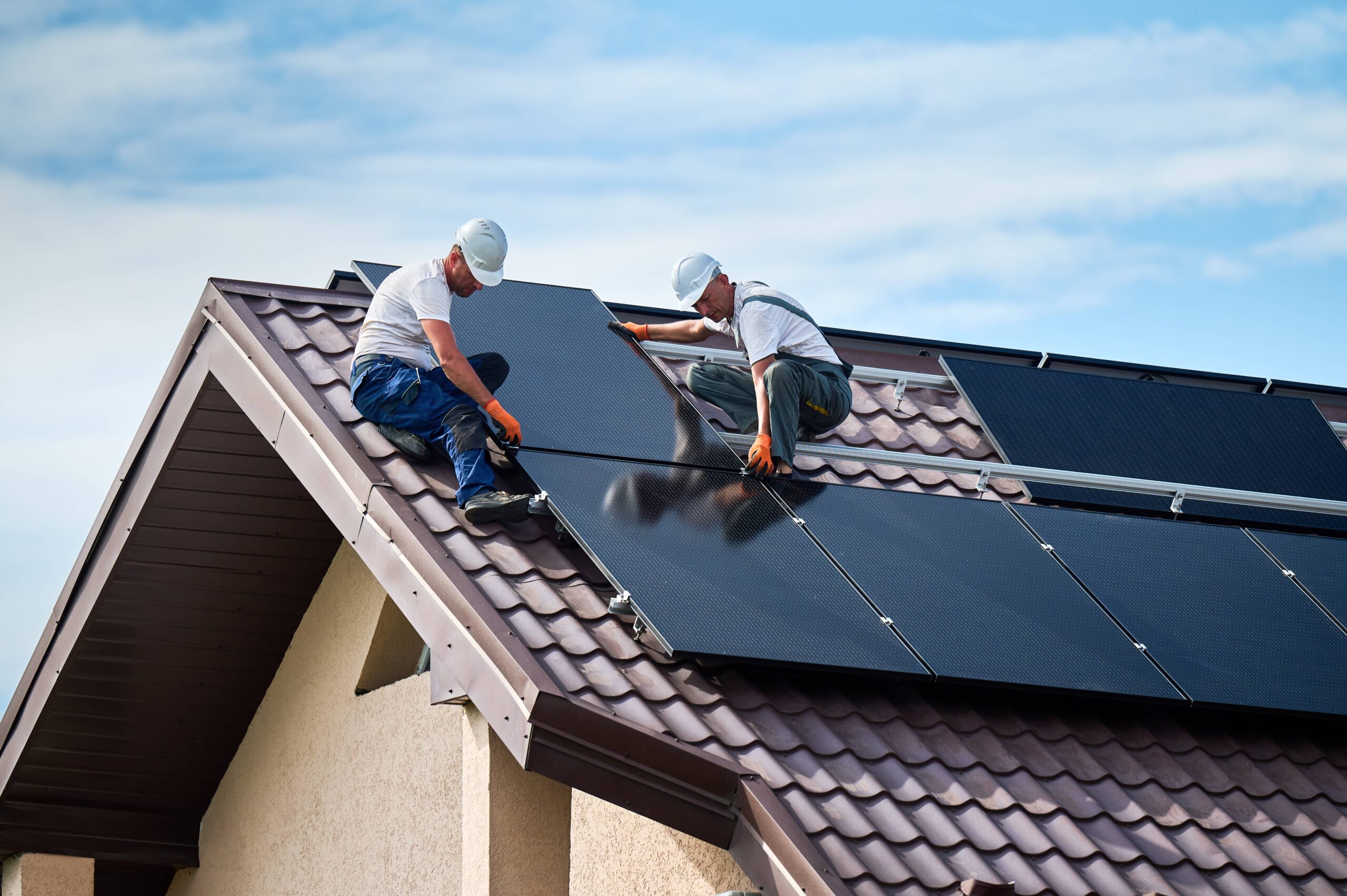
This Level 2 qualification provides an introduction to the role domestic scale renewable technologies can play in reducing carbon emissions. It will provide a non-technical explanation of how the technologies work, the factors to consider when installing these technologies, costings, potential carbon savings and their advantages and drawbacks.
Level 4 NCFE Decarbonising Homes Modules
Decarbonising Homes: Technologies, Impacts and Solutions
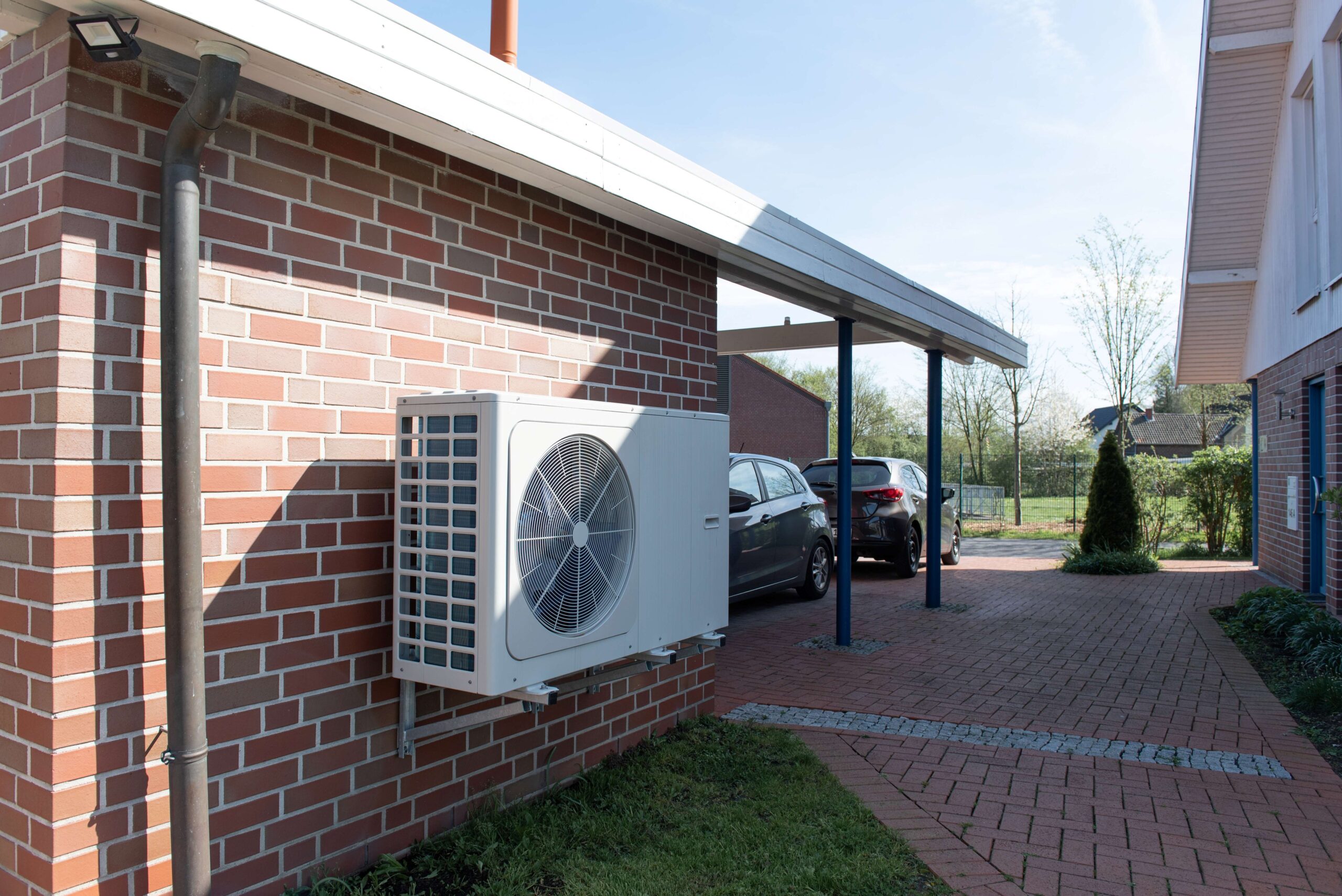
This Level 4 qualification provides a practical understanding of low-carbon and renewable technologies. The full course comprises eight modules, each designed as a standalone learning unit, giving learners the flexibility to complete the entire qualification or select only the modules most relevant to their role and interests.
The following three modules are most relevant to the Warm Homes Plan and for a limited time, we have funded places available (eligibility criteria applies):
- The Role of Heat Pumps
- The Role of Solar Technologies and Energy Storage
- Appropriate Electricity Tariffs for New Technologies

short courses
Upcoming courses
- Flexible CPD modules covering:
-
- Energy efficiency fundamentals
- Fuel poverty topics
- Advice delivery practice
- Technology specific‑ topics
- Ideal for Housing Associations and Local Authority teams needing rapid upskilling.

Coming soon
Private Rented Sector Webinar
A new webinar covering PRS energy efficiency requirements, tenant support and emerging policy developments is coming soon.

Further information
Please contact:
Chris Ellis,
Head of Training and Development, National Energy Action