
Blog: Reaching frontline workers who help families at scale
- 22 September 2026
Our Education and Training Officer Hanna Yates explains how directly working with frontline professionals supporting children has been a core focus of National Energy Action’s ‘End Child Fuel Poverty’ campaign.
Share
Last year, we trained over 7,000 frontline workers and volunteers, with an estimated 3.5 million more people being reached through course participants cascading advice. The ongoing energy crisis has meant that energy advice has never been so important, so we’re proud that we’ve been able to help upskill frontline workers who are supporting vulnerable communities that need support more than ever.
Warm Start, Healthy Futures
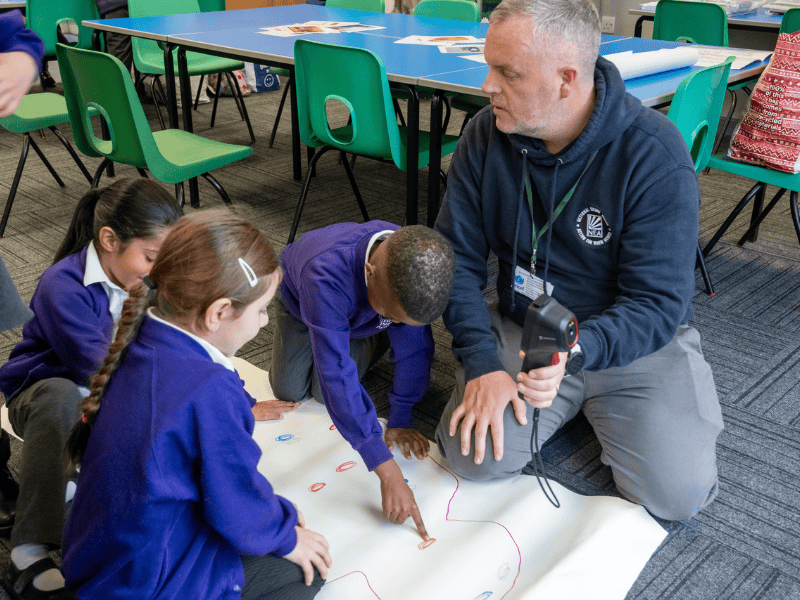
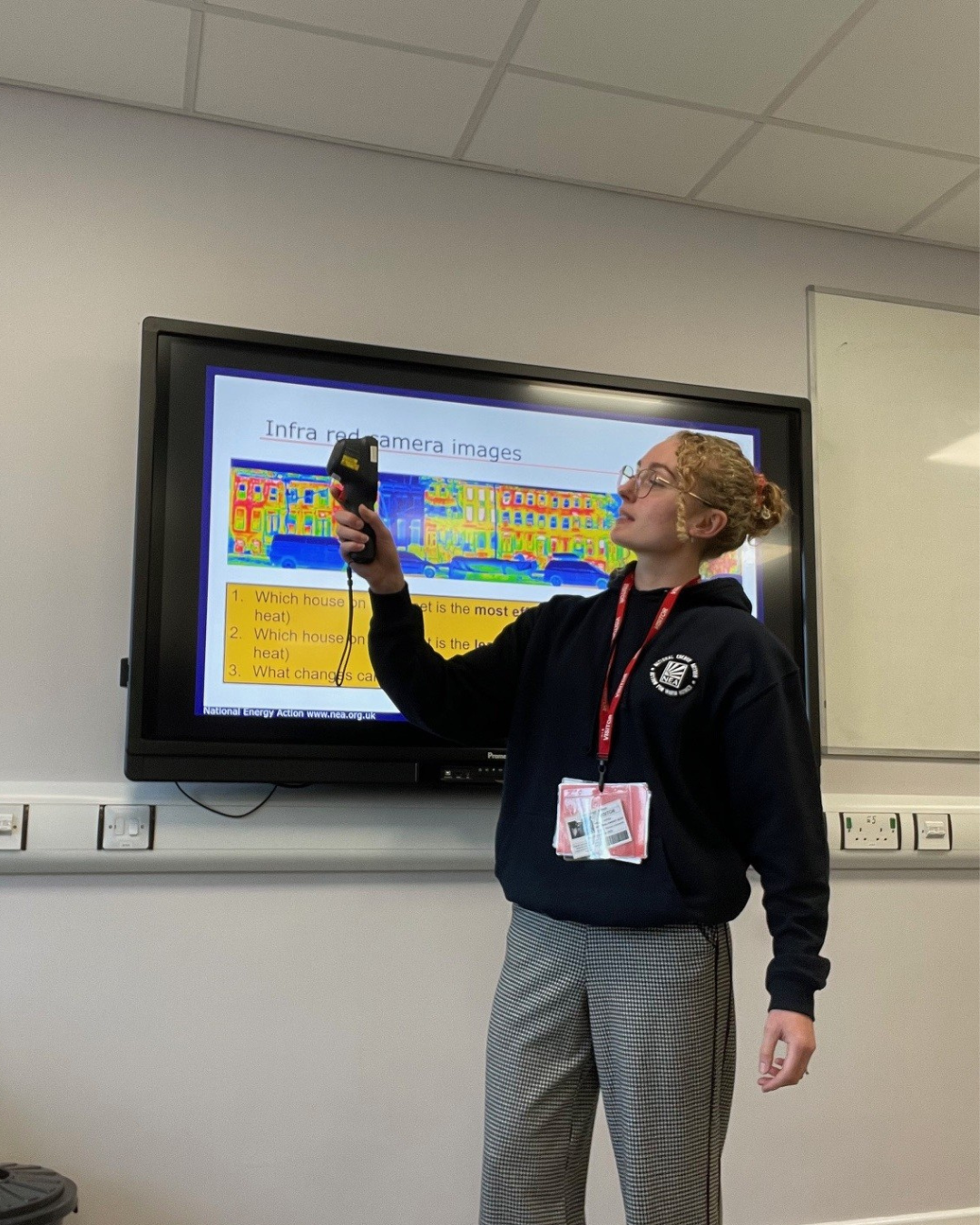
A critical part of our approach this year has been equipping professionals who already support families to identify and respond to fuel poverty. Through our Warm Welcome and Warm Start, Healthy Futures programmes, we have trained individuals who connect with children in need every day, including:
- Health visiting and school nursing teams
- Children’s therapies (speech, physiotherapy, occupational therapy, dietetics)
- Palliative care teams
- Early years and inclusion services
- Children’s centres and family support charities
After attending our Warm Start, Healthy Futures training, participants told us they felt more knowledgeable about the health impacts of living in cold homes, particularly the effects on children, and felt better equipped to support families experiencing fuel poverty. We also shared findings from our study, A Warm Home, A Fair Chance, which explored the multiple educational impacts of living in a cold home. Many of the findings were surprising to participants and prompted valuable discussion about the challenges faced by children and families and, importantly, how we can best support those struggling to afford to heat their homes.
This work is complemented by partnerships with organisations such as Home Start, KIDS, and local authority services. Frontline staff and volunteers are often the first point of contact for families who need support. Our training equips them with the knowledge and confidence to identify vulnerability, provide appropriate assistance, and connect people with trusted advice and services when they need them most. Developing strong partnerships is essential to maximising impact.
Warm Welcome
Through the Warm Welcome programme, we were able to train staff across all Bradford Family Hubs, helping to ensure consistent, high-quality support and extending the reach of this valuable knowledge to hundreds of local families. Many attendees shared that the families they support struggle with damp and mould in their homes, so we identified the causes of condensation and dampness and introduced the ‘HIVE’ acronym as a simple way to remember the optimal conditions for minimising damp and mould growth.
Concerningly, some attendees highlighted that they see the negative impacts of damp and mould on a daily basis when carrying out home visits. Some described observing children experiencing respiratory conditions that were triggered or exacerbated while being at home. Our training helped participants to feel more confident and knowledgeable when supporting families affected by these issues, putting them in a stronger position to provide advice and advocate on their behalf. In addition, understanding the direct health impacts of living in a cold home, particularly for young children, was seen as valuable information that they could take back to their communities and share with the families they work with.
By ensuring that these key roles are more aware of the impact of physical and mental health and academic attainment on children, they can be empowered to know more about the solutions available to help towards our campaign goal of every child being able to grow up in a warm, safe and healthy home.
By embedding knowledge within communities and highlighting our referral pathways, we are expanding our reach exponentially and allowing more parents to receive support through organisations who they already have trust in.
Fuel poverty is a safeguarding issue
By working with these vital roles, it allows our campaign to position fuel poverty as a safeguarding and wellbeing issue. Fuel poverty is a safeguarding issue because it poses serious risks to health, safety, and wellbeing, particularly for the most vulnerable. It can lead to physical harm, mental health crises, and social exclusion, and it may require urgent intervention to prevent harm. Safeguarding professionals and organisations have a duty to identify and address fuel poverty where it impacts vulnerable people, as part of their broader responsibility to protect those at risk. And this is where we come in to provide comprehensive information about what can be done to address it.
Understandably, parents worry about money, especially the impact that money problems have on their children. Ensuring earlier identification and intervention for families helps improve the quality of life for children growing up in cold and damp homes and helps improve the mental wellbeing of all householders in the family.
This is a shift from stand-alone advice provision to a whole-system response, where fuel poverty becomes part of everyday professional practice.
We have upcoming dates available for our Warm Start, Healthy Futures course, which will equip learners with the ability to recognise the impacts of living in cold homes on expectant parents and children and identify support available. Find out more here.
Share
Subscribe to newsletter
Stay up-to-date with National Energy Action’s work and how we are helping those most in need.