
National Energy Action
Our health, our homes
For nearly four decades, National Energy Action (NEA) has worked with government, health bodies, industry and local organisations to improve health and wellbeing by tackling cold, damp and poorly insulated homes. Despite this progress, poor housing still carries a huge cost. NHS England spends more than £1.4 billion a year treating conditions linked to cold homes, while wider societal costs exceed £18.6 billion, including lost education and employment opportunities. Respiratory illness, cardiovascular disease and mental health problems remain among the most significant consequences.
Cold homes also cost lives. NEA estimates that more than 10,000 people across the UK die each year due to living in a cold home. In England and Wales, excess winter deaths rose by nearly 20% last winter, even before the added pressures of Covid‑19, which has left many households more vulnerable than ever.
NEA’s research and policy team continues to shape the national health agenda through extensive evidence‑based work, influencing how health and housing are understood and addressed across the UK.
Warm Homes, Healthy Futures
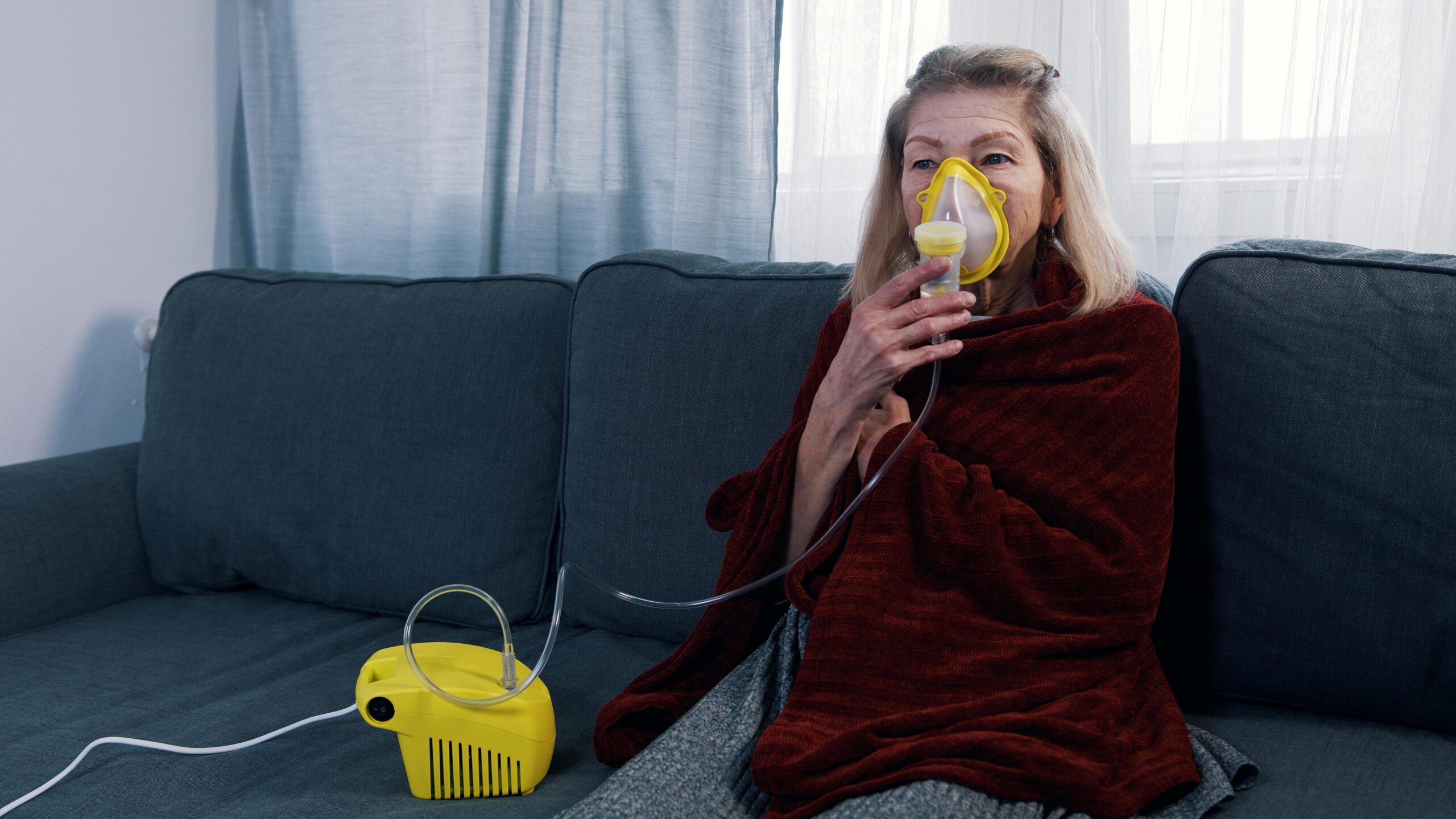
Too many people are still living in cold, damp and poor‑quality homes that harm health and widen inequalities. To help change this, National Energy Action has launched Warm Homes, Healthy Futures – a national programme delivered locally in areas with high need and limited support. It gives the health sector and trusted local partners access to fully funded services such as energy advice, income maximisation, debt support, frontline worker training, appliance servicing and help with grants and measures.
By tackling the root causes of fuel poverty and focusing on those most at risk, the programme will improve tens of thousands of lives and strengthen efforts to reduce health inequalities across the UK. Developed with our sister charity Energy Action Scotland and supported by Cadent, Northern Gas Networks, SGN and Wales & West Utilities, the first phase of local delivery began in May 2024.
Health and Homes Working Group
Working with the Department for Business, Energy and Industrial Strategy, we convene a cross-departmental and cross-sectoral Health and Homes Working Group focused on connecting fuel poverty mitigation with public health. The Working Group includes representatives from Public Health England, the National Health Service, the Department for Health and Social Care, Citizens Advice, the Chartered Institute for Housing, the Chartered Institute for Environmental Health, among others. Alongside this work, NEA facilitates an internal health working group to bring together and provide strategic insight for our own health-related professional practice, research, and policy.

Taking the temperature of NG6
Here’s a shorter, clearer version that keeps the essentials and reads well on a website:
Since its publication in 2015, NICE’s NG6 guideline has been a key resource for understanding how to support people whose health is at risk from cold homes and fuel poverty. In 2023, NEA and Marie Curie explored how the guideline is being implemented across England and Wales, with a particular focus on people at the end of life.
Using existing research, public resources and information gathered through Freedom of Information requests, the report provides a snapshot of current activity by local authorities, health and wellbeing boards, integrated care boards, government and national bodies. While there are positive examples of NG6 in practice, progress is inconsistent. In many areas, little information is available on how the guideline is being applied, making it difficult to identify gaps or learn from good practice.
Leicester Energy Action
Keeping Leicester Warm and Healthy
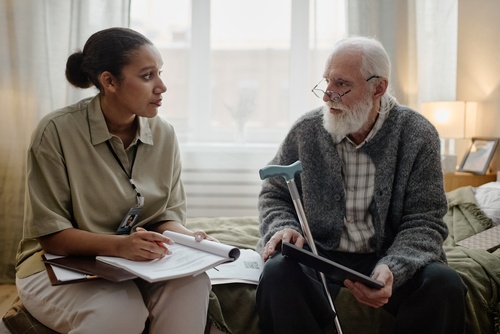
Since January 2023, NEA’s Leicester‑based team has been supporting vulnerable people across the city. The project, funded by NHS Integrated Care and delivered in partnership with Leicester City Council’s public health team, has already made a significant difference to people’s health and wellbeing. Support includes one‑to‑one affordable warmth and energy‑efficiency advice by phone, alongside group presentations and workshops. The team also helps households understand their bills, manage fuel debt, and choose the most suitable payment options and meters. Where needed, people are offered top‑up support or directed to local financial assistance such as the Household Support Fund.
The project also provides educational opportunities in primary schools, builds community networks through Energy Champions, and delivers City & Guilds‑accredited Energy Awareness training as well as short webinar sessions for frontline workers and volunteers.
Connecting Homes for Health
“The improvement in my health has changed my life”: Our Connecting Homes for Health research explored the use of health-based eligibility criteria in housing improvement schemes. Before help, over 80% of households reported their homes negatively impacting health; following, this reduced to less than 1 in 10.
Health and Innovation Programme
Our expansive £26.2 million Health and Innovation Programme assisted more than 9,000 households. The Warm & Healthy Homes Fund formed a key strand of this activity, providing interventions to 2,663 households across Great Britain. Mobilising NICE guidelines associated with cold homes and health, our social evaluation reported significant physical and mental health improvements including a self-reported 55% improvement in health since receiving measures and 15% of beneficiaries reported they had reduced their number of GP visits.

Catalogue of health-related fuel poverty schemes
Commissioned by the UK Government, we developed a catalogue of local health-related fuel poverty schemes, examining those aiming to address the cost burden and stresses of cold home related ill-health. This work led to a series of health-focused seminars.
Better at Home
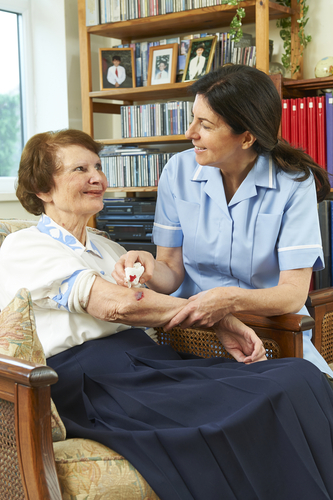
In 2016-18 NEA worked with Macmillan Cancer Support to identify vulnerable households at risk of fuel poverty, living in a cold home and experiencing ill health. The fund supported the provision of energy efficiency and heating measures to householders identified as ‘in need’. NEA also established several links with new local agencies supporting people with health conditions, with a particular focus on reaching people who may be affected by cancer. More information can be found here.
Get Warm Soon
Our Get Warm Soon research examined the extent to which Health and Wellbeing boards in England were adopting public health indicators linked to cold homes in accordance with NICE guidelines.
Warm Home Prescription
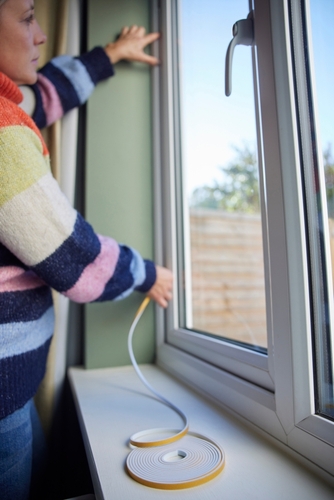
NEA partnered with Energy Systems Catapult to deliver a Warm Home Prescription pilot in Tees Valley, helping patients keep their homes at safe temperatures through winter 2022/23. The scheme supported people with chronic health conditions made worse by cold homes, aiming to prevent complications and reduce pressure on the NHS.
After referral by NHS social prescribers, NEA advisers gathered essential information, provided tailored energy advice and arranged credits to patients’ gas or electricity accounts so they could heat their main living area to 21°C by day and their bedroom to 18°C at night. During the pilot, NEA issued 292 Warm Home Prescriptions.
The impact was significant: 79% of participants reported better physical health, 70% saw improvements in mental health, and 76% felt more motivated to make their homes more energy efficient.
NEA’s chief executive, Adam Scorer, sits on the Warm Home Prescription taskforce chaired by Amber Rudd, which is working to build national support for the scheme and explore how it can be scaled to help more people with chronic health conditions who are vulnerable to the cold.