


NEA
Policy and Research
NEA’s policy and research work raises awareness of the impacts of fuel poverty and develops solutions to make energy costs more affordable.
Our work is focused on four priority areas: energy markets and vulnerability; energy efficient housing; improving health, and technology and innovation.
We work closely across the nations and with our sister charity Energy Action Scotland.
Learn more about our recent or ongoing work below.
You can also find our latest consultation responses and past research in Publications & Resources.
For more information about our work contact Helen Stockton, Research Manager or Michael Hamer, Technical Development Manager.
Filter Events By
Fuel Poverty in the North East
Post on 14th Nov 2023
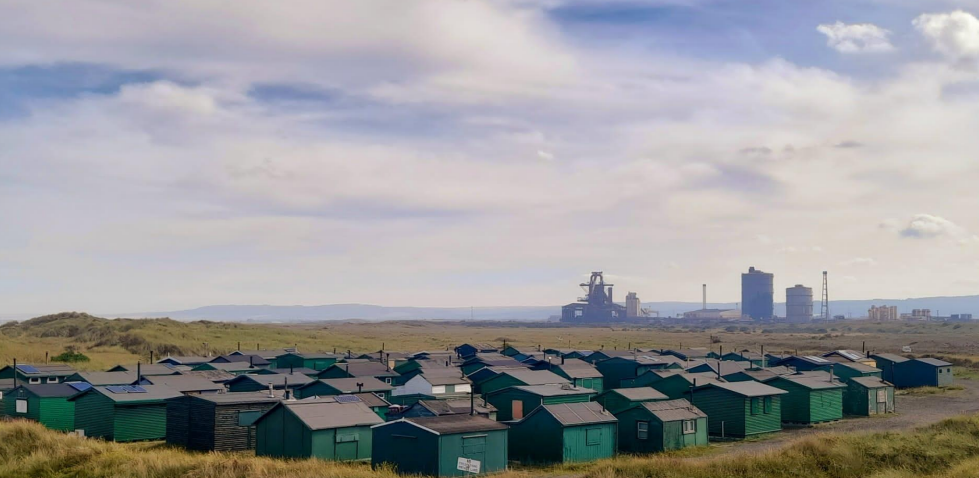
A new report released by NEA in partnership with Citizens Advice Newcastle highlights the current context of the energy crisis and its impact upon households across the North East of England and provides a snapshot of fuel poverty in the region.
Nation / Region:
North East
Content Type:Research and Policy

Plugged in
Post on 10th Aug 2023
Working with Friends, Families and Travellers and supported by the Which? Fund, this 18-month project aimed to explore the lived experience of GTRNCs living in or at risk of fuel poverty through the height of the energy crisis in 2022/2023.
Content Type:Research and Policy

Warm Homes Fund Evaluation
Date (DD/MM/YYYY):29/01/2020
Operation Time/Time: –
Place:
The Warm Homes Fund was set up by National Grid and Affordable Warmth Solutions and is one of the largest fuel poverty programmes representing private sector investment of £150m.
Nation / Region:
Wales
Content Type:Research and Policy

Our Health, Our Homes
Post on 07th Jan 2021
For nearly four decades, NEA has partnered with local and national government, health bodies, industry and a wide range of local organisations to deliver practical solutions to improve health and wellbeing and address housing as a key social determinant of ill-health
Content Type:Research and Policy
Priorities and Impacts
Post on 06th Oct 2020
Policy and practice should be evidence-based. Our social and technical research advances the existing body of knowledge on fuel poverty, domestic energy issues and assesses the impacts of interventions. Our advocacy work ensures that the needs of people in fuel poverty are recognised and addressed by Government, the industry, and regulatory bodies.
Content Type:Research and Policy

Work with Us
Post on 06th Oct 2020
Our research and policy teams have over 25 years’ combined experience of developing expert into fuel poverty, energy efficiency and related fields. Find out more about how we can support your work.
Content Type:Research and Policy

Technical Solutions to Fuel Poverty
Date (DD/MM/YYYY):29/01/2020
Operation Time/Time: –
Place:
NEA work with a range of clients, including local authorities, housing associations, network operators and manufacturers to understand how technology and innovation within the energy sector can help improve the lives of those living in fuel poverty.
Content Type:Research and Policy

Water Poverty
Date (DD/MM/YYYY):29/01/2020
Operation Time/Time: –
Place:
NEA is proud to be working with Northumbrian Water Group (NWG) on an innovative programme which aims to eradicate water poverty by 2030.
Content Type:Research and Policy
UK Fuel Poverty Monitor 2019-2020
Post on 18th Sep 2020
National Energy Action (NEA) and Energy Action Scotland (EAS) are the UK’s national charities aiming to end fuel poverty. For close to two decades, we have published a yearly investigative report on progress to eliminate fuel poverty across the UK and within each of the four UK nations: the UK Fuel Poverty Monitor.
Content Type:Research and Policy